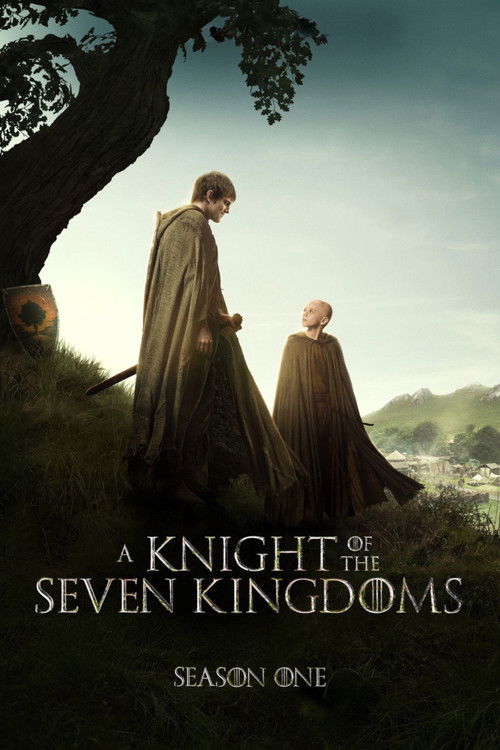
A Knight of the Seven Kingdoms
Season 1 Analysis
Season Overview
A humble hedge knight and a sharp-tongued boy with a hidden secret roam a restless Westeros, stumbling into honour, danger, and the schemes of powerful lords. As they enter tournaments and cross paths with rising threats, their bond becomes the one thing standing between them and a kingdom on the brink.
Season Review
Categorical Breakdown
The production utilizes race-swapping for supporting characters, specifically Tanselle, to meet modern diversity standards. The narrative highlights the divide between the 'privileged' highborn and the 'oppressed' smallfolk, framing social standing through a lens of systemic unfairness.
The series respects the foundations of its world and the traditions of knighthood. It portrays the history and customs of Westeros as something worth upholding. The protagonist strives to embody the ideals of his culture rather than seeking to destroy them.
Female characters are independent and capable but avoid the 'Mary Sue' trope. Dunk remains a traditionally masculine figure whose strength is used to protect others. The show avoids emasculating its male leads to elevate its female cast.
The narrative remains focused on the platonic mentorship between the leads and traditional feudal family structures. It does not center alternative sexualities or attempt to deconstruct the nuclear family. Gender ideology is absent from the dialogue and themes.
The Faith of the Seven is portrayed with a degree of cynicism, often shown as a tool for political manipulation. However, the story still treats the concept of sacred oaths and higher justice with respect. It lacks the aggressive hostility toward religion seen in more ideological works.