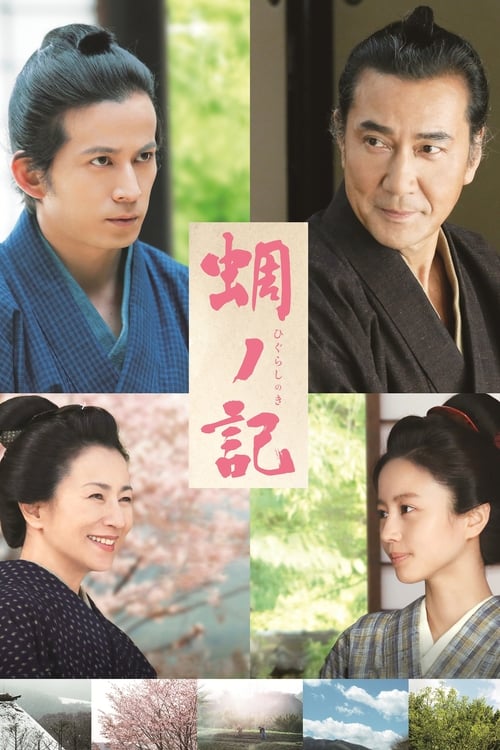
A Samurai Chronicle
Plot
A retired samurai must redeem himself for a crime that he committed earlier in his life.
Get the Weekly Woke Watchlist
New and trending movies scored for woke bias, preachy messaging, and forced political themes — before you waste your evening.
No spam. One useful email per week.
Overall Series Review
Categorical Breakdown
The film is a Japanese historical drama (jidaigeki) featuring an entirely Japanese cast, making the concept of 'race-swapping' or 'vilification of whiteness' inapplicable. The plot centers entirely on character merit, honor, and duty within the clan structure, not immutable characteristics or intersectional hierarchy. The search for the actual truth about Toda's crime upholds the principle of universal meritocracy.
The narrative's critique is directed toward the corruption of specific figures in the clan's leadership (the current lord/prime minister and officials), not a condemnation of the entire Japanese samurai culture or its ancestors. The protagonist (Toda) and the secondary hero (Danno) embody the ideals of an honorable samurai through compassion, humility, and defense of the weak. This represents an internal call for cultural redemption and integrity, consistent with Chesterton’s Fence.
Gender dynamics are traditional, with Toda's wife, Orie, being celebrated for her enduring love, trust, and devotion to her husband and family. The movie focuses on the strength of the family unit. The daughter, Kaoru, is described as headstrong but is part of a budding traditional romance, not a 'Girl Boss' or 'Mary Sue' archetype. There is no anti-natalist or emasculating messaging.
The primary structure of relationships is normative, centered on Toda and his wife, and the potential romance between Danno and Kaoru. While the alleged crime involves a concubine and a boy servant, the main narrative focuses on the cover-up and the quest for honor, not on centering alternative sexualities or introducing gender ideology lectures. Sexuality remains a private matter or a source of historical conflict, not a public political theme.
The movie operates within a pre-Christian Japanese moral and spiritual framework, focusing on the objective truth, honor, grace, and redemption through adherence to a higher moral standard. The core conflict is not anti-religion. The willingness to accept *seppuku* is treated as an ultimate act of duty and moral resolution, representing a high moral law rather than a spiritual vacuum or hostility toward traditional faith.
Get the Weekly Woke Watchlist
New and trending movies scored for woke bias, preachy messaging, and forced political themes — before you waste your evening.
No spam. One useful email per week.