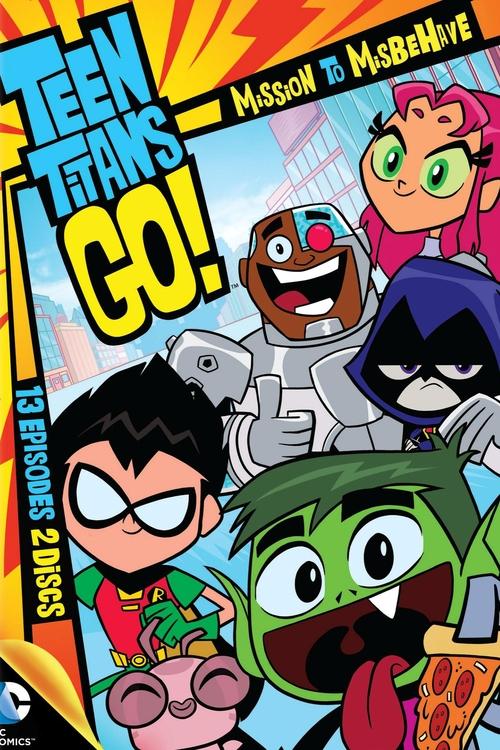
Teen Titans Go!
Season 1 Analysis
Season Overview
When these superheroes are off duty, their life as roomies and pals is anything but dull, with teen antics, angst and bickering in equal measures.
Season Review
Categorical Breakdown
Robin is the only white male and is consistently portrayed as the most incompetent, narcissistic, and unlikable member of the group. While the show avoids explicit lectures on race, it leans into the trope of the failed white male leader. Other characters are diverse but defined by their quirks rather than political identities.
The show treats the concept of heroism and civic duty with constant sarcasm. It mocks the legacy of the characters' ancestors and mentors, framing traditional values as boring or outdated. It celebrates chaos over order and mocks the idea of a 'higher calling.'
Male characters like Beast Boy and Cyborg are depicted as lazy, food-obsessed slackers, while Robin is an emasculated control freak. In contrast, Raven and Starfire are typically the most competent and powerful members. The series relies on the 'bumbling male' dynamic for much of its humor.
Season 1 maintains a normative structure for a children's program of its era. It does not feature gender ideology or focus on alternative sexualities. The relationships and jokes remain focused on juvenile antics and platonic roommate struggles.
The series operates in a moral vacuum where right and wrong are dictated by personal convenience. Raven’s demonic origins are used for comedic effect, effectively normalizing occult themes for a young audience. There is no acknowledgment of objective truth or higher moral laws.