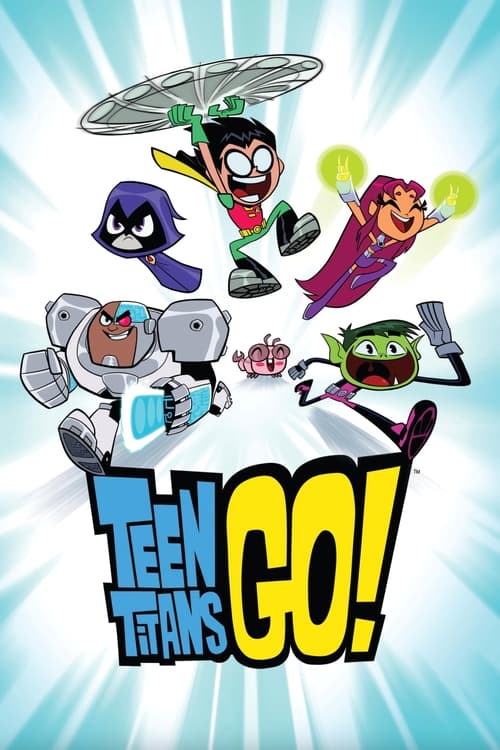
Teen Titans Go!
Season 5 Analysis
Season Overview
No specific overview for this season.
Season Review
Categorical Breakdown
Characters are generally treated with a colorblind approach. While the cast is diverse, the plot does not center on race or systemic oppression, preferring absurdist scenarios over identity-based grievances.
The narrative regularly mocks the concept of the superhero as a noble guardian. The Titans are frequently shown as the villains of their own city, and established Western icons like the Justice League and Batman are portrayed as incompetent or ridiculous.
Robin is consistently depicted as an annoying, controlling manchild who is physically and intellectually inferior to Raven and Starfire. Female characters are the only voices of reason, while the male characters are portrayed as gross, hyper-emotional, or bumbling idiots.
Alternative sexualities remain largely in the background or are used for brief, absurdist sight gags. The show does not currently center gender ideology or transition-focused narratives for its child audience in this season.
The series embraces a vacuum of transcendent morality. Characters act based on selfish desires or comedic whims rather than a higher moral law. Traditional myths and spiritual themes are used strictly as fodder for mockery.