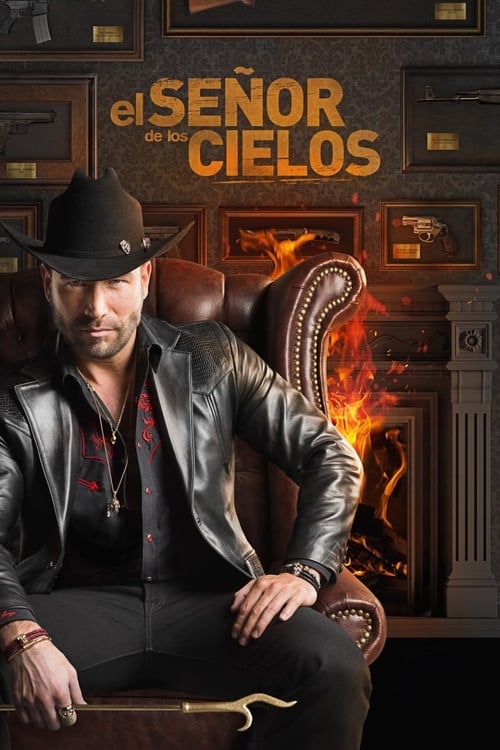
El Señor de los Cielos
Season 5 Analysis
Season Overview
No specific overview for this season.
Season Review
Categorical Breakdown
The plot focuses entirely on amoral power struggles, revenge, and survival within the drug cartels. Character merit is defined by ruthlessness, loyalty, and competence in the criminal world, not by any contemporary intersectional hierarchy. The cast is regionally authentic to the setting, and there is no lecture on systemic oppression or vilification of 'whiteness.'
The show is a narco-series, a genre built on depicting a severely corrupted government and the devastating violence of the drug trade. This is a critique of a corrupt system and its moral chaos, not a condemnation of Western civilization, home, or ancestors in the philosophical sense. The Casillas family unit, though criminal, remains the core, representing a perverse form of institutional loyalty.
Powerful female characters like Monica Robles and La Felina run their own drug operations, command henchmen, and engage in high-level criminal strategy and violence. They are 'Girl Bosses' who achieve status and power through criminal means, completely independent of men, pushing a vision of female leadership defined by amoral competence. The narrative centers on this powerful, non-maternal, self-driven female ambition.
The narrative centers on drug trafficking, traditional crime drama action, and high-stakes heterosexual relationships, affairs, and violence. The series does not focus on alternative sexual identities, political deconstruction of the nuclear family, or gender ideology lecturing.
Traditional religion is not a villain. Aurelio's mother, Doña Alba, is a devout woman seeking refuge in a convent. The convent is attacked by ruthless gang members who threaten the nuns, forcing the criminal anti-hero Aurelio to come to its rescue and defend the religious institution. This positions faith as vulnerable and worthy of defense against pure evil, not as the root of evil itself.