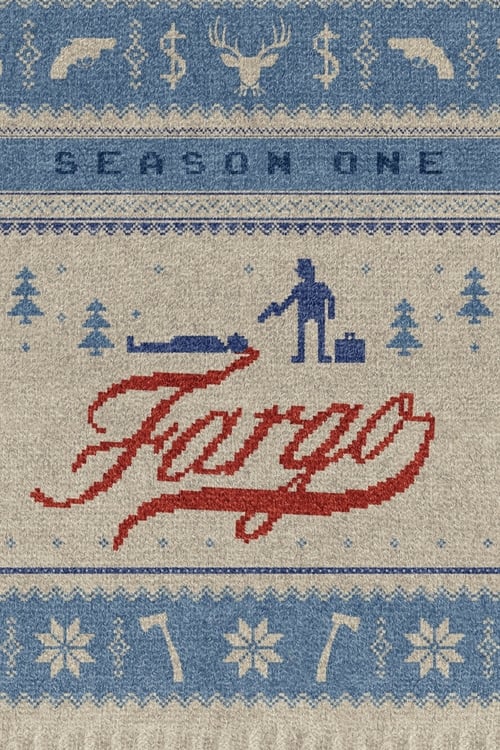
Fargo
Season 1 Analysis
Season Overview
In January 2006, Lorne Malvo passes through Bemidji, Minnesota and influences put-upon insurance salesman Lester Nygaard with his malice and violence. Meanwhile, Deputy Molly Solverson and Duluth police officer Gus Grimly team up to solve a series of murders they believe may be linked to Malvo and Nygaard.
Season Review
Categorical Breakdown
The core conflict revolves around individual morality, corruption, and malice, not group identity or immutable characteristics. The casting is colorblind or historically authentic to the Midwestern setting. No plot points exist to lecture on systemic oppression or privilege.
The traditional Midwestern setting and its polite community are framed as the 'good' that the evil antagonist Lorne Malvo seeks to corrupt. The institutions of family and simple community values are respected as a protective shield against chaos and nihilism. The culture is not demonized as fundamentally corrupt.
Deputy Molly Solverson is the highly intelligent and competent investigator, serving as the moral and professional center of the police force. Her male boss, Chief Bill Oswalt, is a bumbling idiot who constantly impedes the investigation. The other male protagonist, Gus Grimly, is initially timid, accidentally shoots Molly, and ultimately retires from police work to become a stay-at-home mailman, while Molly is promoted to Chief. This consistently inverts the competency hierarchy in favor of the female lead.
The story does not include any elements of sexual ideology, centering of alternative sexualities, or lecturing on gender theory. The hero character arc culminates in a celebrated, traditional male-female marriage and the anticipation of a new child, affirming the nuclear family structure as the normative ideal.
Lorne Malvo is consistently portrayed as a Satanic figure, a force of pure evil who tempts men to abandon their moral compass. The existence of a transcendent good and evil is a foundational theme. Faith is not demonized, but rather seen as the anchor that Malvo seeks to sever from his victims, notably a Greek Orthodox Christian.