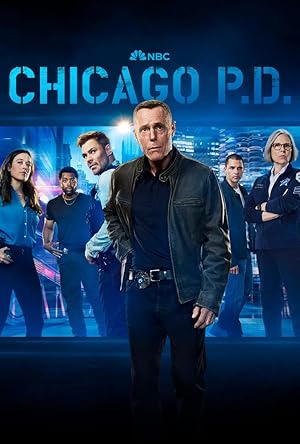
Chicago P.D.
Series Overview
District 21 of the Chicago Police Department is made up of two distinctly different groups. There are the uniformed cops who patrol the beat and go head-to-head with the city's street crimes. And there's the Intelligence Unit, the team that combats the city's major offenses - organized crime, drug trafficking, high profile murders and beyond.
Get the Weekly Woke Watchlist
New and trending movies scored for woke bias, preachy messaging, and forced political themes — before you waste your evening.
No spam. One useful email per week.
Overall Series Review
Categorical Breakdown
In recent seasons, the show actively shifts its purpose to help the audience 'reimagine policing' and focuses on police reform discussions, moving the narrative away from meritocracy. Storylines explicitly center on race, such as a Black officer's constant conflict regarding his identity and his role within the institution of the police department. There is a noted narrative tendency to portray criminals as white and victims as Black/BIPOC, tilting the show toward a specific racial identity lens. An adoption storyline is framed around a daughter feeling 'out of place' because her parents are white, underscoring the importance of racial identity over universal connection.
The show, particularly in its later seasons, frames a core American institution—the police department—as systemically flawed and racially corrupt. The entire premise of 'reform' suggests the foundational structure of the home institution is compromised and needs transformation. The plot frequently deconstructs the traditional 'cop as hero' archetype by having main characters question their allegiance to an institution they perceive as systemically unjust, aligning with the idea of civilizational self-hatred.
Female characters are consistently portrayed as powerful, highly capable detectives who are moral equals to or superiors of their male colleagues. They are not written to cater to the 'male gaze' and are often morally complex, fitting the 'Girl Boss' trope. While a main character chooses to become a committed mother, which counters the anti-natal message, the men in the unit are frequently depicted as morally corrupt anti-heroes or suffering from commitment issues, which slightly emasculates the male role by comparison.
The show contains episodic storylines where LGBTQ+ identity is a central issue, which moves it from a normative structure. One specific arc featured a young person who was kicked out of the traditional nuclear family home, which was then portrayed as a source of trauma, with an LGBTQ+ community house acting as the supportive and life-saving institution. This narrative directly deconstructs the traditional nuclear family structure by positioning it as hostile to the child's sexual identity.
The series operates primarily within a secular and moral relativist framework, where the central conflict is between the anti-hero's subjective 'code of justice' and the objective rule of law. This lack of a transcendent moral law means morality is defined by situational expediency, creating a spiritual vacuum. However, the show does not actively or overtly vilify Christianity or other traditional religions; it simply ignores them as a source of strength or moral guidance.
Get the Weekly Woke Watchlist
New and trending movies scored for woke bias, preachy messaging, and forced political themes — before you waste your evening.
No spam. One useful email per week.