Presence
Plot
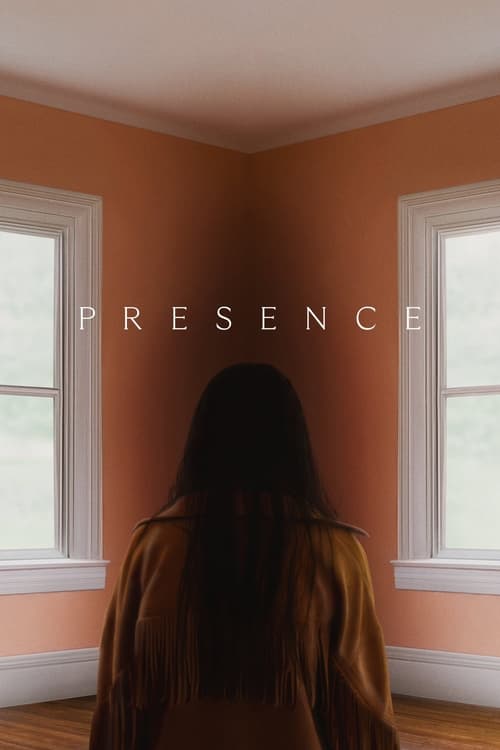
A couple and their children move into a seemingly normal suburban home. When strange events occur, they begin to believe there is something else in the house with them. The presence is about to disrupt their lives in unimaginable ways.
Get the Weekly Woke Watchlist
New and trending movies scored for woke bias, preachy messaging, and forced political themes — before you waste your evening.
No spam. One useful email per week.
Overall Series Review
Categorical Breakdown
The family has a mixed-race couple, with an Asian-American mother and white father, but the conflict is purely about their individual moral and emotional shortcomings, not race or systemic oppression. The white male father is portrayed with a "gentle demeanor" and is morally protective of his daughter, contrasting with the negative, self-centered character of the mother. Character merit, or lack thereof, defines the family members, not their immutable characteristics.
The film centers on the moral corruption and emotional failures of the suburban, nuclear family unit. The house and family are viewed as troubled, with the mother possibly involved in white-collar crime and the family unit unraveling under pressure, which serves as a critique of the modern American middle-class domestic structure. This focus on the internal failings of the home environment serves as a soft critique of this type of Western life, but it does not broadly demonize 'Western civilization' or 'ancestors' in a historical sense.
The mother is depicted as a "hard-driving executive type," the financial breadwinner, who is also described as "power-hungry," "unlikable," and "cold-hearted" while showing clear favoritism to her son and neglecting her daughter. Her ambition and self-centeredness are central to the family's trauma and moral corruption, presenting a strong negative portrayal of the aggressive 'Girl Boss' figure. The father is cast as the passive, 'gentle' parent who is perpetually worried and concerned for the children, creating a dynamic where the toxic female lead is the dominant figure in the family's destruction.
The family at the center of the story is a traditional, two-parent heterosexual marriage with a son and a daughter. The daughter's storyline involves a 'fateful romance' with a boy. The narrative focuses entirely on this normative structure and its internal problems, with no evident presence or promotion of alternative sexualities, gender ideology, or deconstruction of the nuclear family unit.
The movie explores the supernatural, but the spiritual element is highly subjective. The family invites a medium for help, but she is described as potentially being a "grifter," suggesting skepticism toward organized or traditional spiritual practices. The 'presence' is ultimately on a 'journey of psychological self-discovery' and leaves once it has figured itself out, favoring a subjective, internal, and psychological resolution over any adherence to objective, transcendent moral law or traditional religious framework.
Get the Weekly Woke Watchlist
New and trending movies scored for woke bias, preachy messaging, and forced political themes — before you waste your evening.
No spam. One useful email per week.