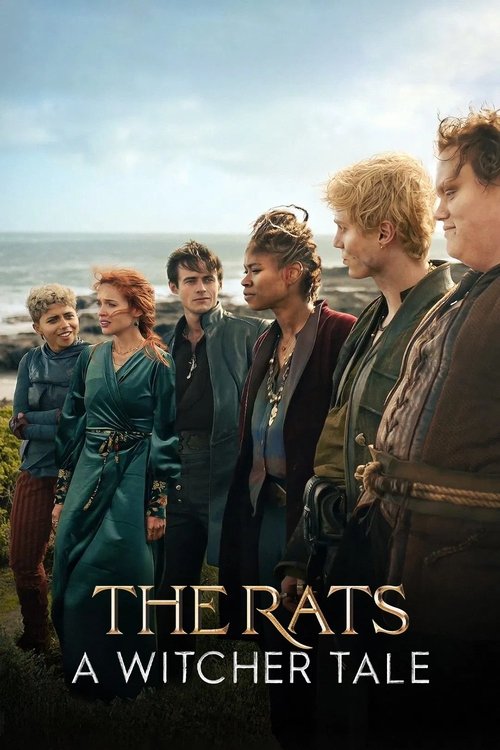
The Rats: A Witcher Tale
Plot
To pull off a daring heist, a gang of six misfit outlaws will have to do something they've never done before: trust each other — and a washed-up Witcher.
Get the Weekly Woke Watchlist
New and trending movies scored for woke bias, preachy messaging, and forced political themes — before you waste your evening.
No spam. One useful email per week.
Overall Series Review
Categorical Breakdown
The narrative makes an active effort to provide "needed context" for the group of outlaws, highlighting "class divides" to present the morally questionable criminal gang as sympathetic victims of a harsh system. The plot structure is designed to rewrite their story to be more "heroic-seeming" and likable, relying on an intersectional lens of oppression and marginalized status to justify their amoral actions, rather than their individual merit.
The film focuses on the "class divides in the Continent" and frames the established social order as fundamentally corrupt and brutal, represented by the wealthy villain and his fighting arena. This provides a narrative justification for the protagonists, a criminal gang, to actively work against and steal from the structures of their 'home' civilization, suggesting the home culture is fundamentally broken.
The main female character, Mistle (a "fallen-royal"), is a core member and central protagonist of the gang of thieves, representing a 'girl boss' archetype where her fulfillment is found in an anti-establishment, criminal 'found-family.' The male Witcher, Brehen, is introduced as a "washed-up" and "drunken" character who eventually serves as a mentor and self-sacrificial figure for the benefit of the younger, diverse group led by female characters.
The emotional core and stakes of the film are tied directly to the relationship between Ciri and the female Rat Mistle. The story provides context for Ciri's trauma by explicitly stating that Mistle was a "girl she was starting to love," which centers an alternative sexuality as the primary source of the lead protagonist's emotional weight and vulnerability.
While not directly attacking religion, the entire moral framework of the film is built on moral relativism where the criminal actions of the protagonists are justified by the 'systemic oppression' and 'class divides' they face. The narrative dismisses any higher moral law by making amoral, criminal survival the heroic and only viable path for the protagonists, treating morality as purely subjective to power dynamics and circumstance.
Get the Weekly Woke Watchlist
New and trending movies scored for woke bias, preachy messaging, and forced political themes — before you waste your evening.
No spam. One useful email per week.