Speak Out
Plot
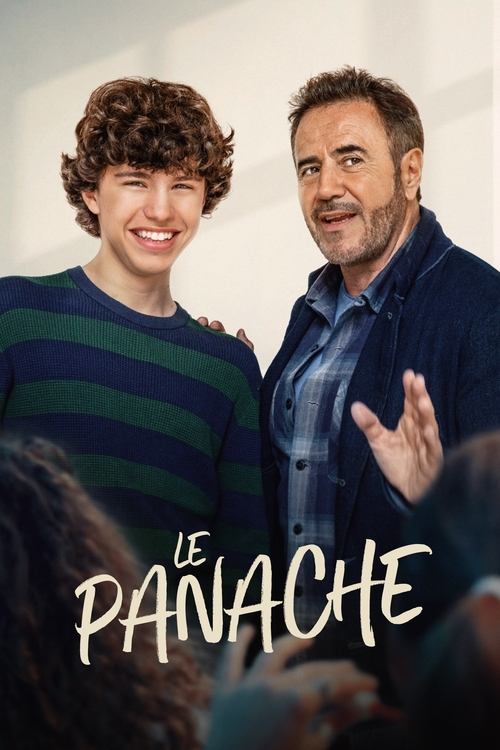
Colin, 14, enters a new school and he's freaking out: how do you get by when, like him, you're a stutterer? His meeting with Mr. Devarseau, a charismatic French teacher, will push him to face his fears and break out of his isolation. Now Colin has a group of friends and a project: to go on stage to play Cyrano in front of the whole school.
Get the Weekly Woke Watchlist
New and trending movies scored for woke bias, preachy messaging, and forced political themes — before you waste your evening.
No spam. One useful email per week.
Overall Series Review
Categorical Breakdown
The plot focuses on an individual's struggle with a non-immutable characteristic (stuttering) and personal trauma (abusive father) rather than race, class, or intersectional identity. The theme promotes universal meritocracy—finding personal voice through skill, effort, and courage—and not systemic oppression.
The film celebrates Western (French) high culture by using Edmond Rostand’s *Cyrano de Bergerac* as the primary vehicle for the protagonist's growth, suggesting high cultural value. The narrative centers on the importance of the educational institution and a dedicated mentor. The only mild deconstruction is framing traditional adherence to the classic play’s casting as 'reactionary' versus the teacher’s 'modern artistic vision'.
The core of the story features a strong, heroic male mentor (Mr. Devarseau) uplifting a struggling male protagonist (Colin). Colin's mother is portrayed as 'overprotective' following the divorce, but the primary negative parental figure is a male, the 'abusive father'. The theme is less about emasculation and more about male mentorship, though the suggestion that a boy could play the female lead, Roxane, is a small nod to gender non-conformity in performance.
The story does not center on sexual identity or gender ideology, but it intentionally 'breaks codes' by re-imagining a famous heterosexual love scene (the *Cyrano* balcony scene) as a declaration of pure friendship between two male students. This subtle re-appropriation of a foundational romantic trope to center a male-male emotional bond suggests a soft push against normative structure.
The film’s central conflict and resolution are secular, focusing on personal, transcendent morality: overcoming fear, finding one's voice, and building courage. There is no presence of traditional religion, anti-religious critique, or promotion of moral relativism; the themes are universally positive and focused on truth and self-expression.
Get the Weekly Woke Watchlist
New and trending movies scored for woke bias, preachy messaging, and forced political themes — before you waste your evening.
No spam. One useful email per week.