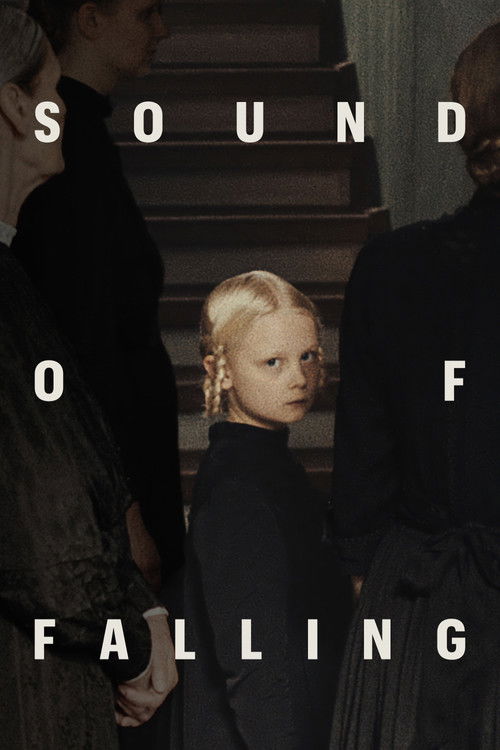
Sound of Falling
Plot
Four adolescent girls each spend their youth in the same farmhouse over the last century. Though separated by decades, resonances between their lives emerge: their desires and distress, secrets and truths, encounters with another’s gaze and defiant gaze in return.
Get the Weekly Woke Watchlist
New and trending movies scored for woke bias, preachy messaging, and forced political themes — before you waste your evening.
No spam. One useful email per week.
Overall Series Review
Categorical Breakdown
The entire plot is founded on a power dynamic that privileges one gender over another. The narrative focuses on the systemic nature of repression and violence that women endure across generations due to a persistent “male tradition.” The story does not rely on racial identity politics or the vilification of whiteness, but it is a meditation on gender as the ultimate defining characteristic of oppression.
The film frames its German rural setting and family lineage across a century as fundamentally corrupt. The ancestral home is haunted by the historical guilt, militarism, and horror passed down through generations. The customs and traditions of the family and surrounding culture are depicted as the source of “abuse and sterilisation” and the “female slavery of domestic servitude.”
The story's central argument is that men are the source of an “endlessly repeating act” of violence and sexism, constituting a “violent patriarchy.” Male characters are largely depicted as oppressors, abusers, or objects of disturbed fascination. The narrative defines the lives of women by their struggle against the emasculating and repressive “brutal reign of rural, male tradition.”
The narrative is primarily concerned with historical, gender-based power dynamics and heterosexual desire/trauma. There is no evidence in the plot description of queer theory, a focus on alternative sexualities as central identity traits, or any lecturing on gender ideology.
The movie is a secular exploration of historical and psychological trauma. The source of the pervasive evil and suffering is identified as “history,” “guilt,” and “violent patriarchy,” not traditional religion. The plot does not contain instances of explicit hostility toward Christianity or other faiths.
Get the Weekly Woke Watchlist
New and trending movies scored for woke bias, preachy messaging, and forced political themes — before you waste your evening.
No spam. One useful email per week.