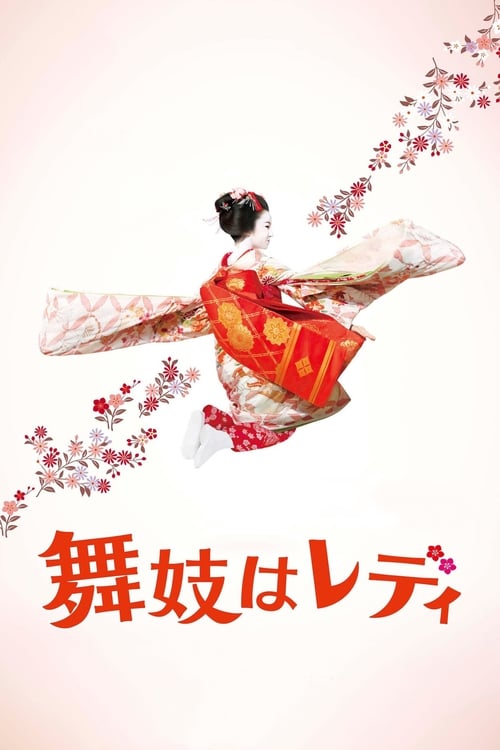
Lady Maiko
Plot
Country bumpkin Haruko only ever wanted to become a maiko, an apprentice geisha. Initially rebuffed for lack of references, Haruko's strong accent intrigues a linguistics professor, who undertakes to coach her.
Get the Weekly Woke Watchlist
New and trending movies scored for woke bias, preachy messaging, and forced political themes — before you waste your evening.
No spam. One useful email per week.
Overall Series Review
Categorical Breakdown
The main conflict revolves around regional and class-based identity (rural accent versus elite Kyoto dialect and tradition), which is an internal Japanese social dynamic, not a focus on 'whiteness' or intersectional hierarchy. The protagonist, Haruko, succeeds through personal effort, discipline, and training, embodying universal meritocracy rather than systemic oppression and privilege lecturing.
The film is a celebration and respectful portrayal of a highly traditional Japanese cultural institution, the geisha world, which is treated with 'utmost reverence and respect.' The director engages in light internal social commentary regarding modern relevance but the overall tone honors ancestors and core cultural traditions. There is no hostility toward Western civilization, as the critique is directed internally at Japanese custom.
Haruko is not an instantly perfect 'Girl Boss'; she is an underdog who must submit to intense training and master traditional feminine arts to achieve her goal. The professional world of the geisha is all-female and celebrated for its artistry. While there is subtle questioning of some 'outdated modes of address' within the geisha house, the main focus is on the hard work and discipline required to succeed in a highly traditional, skilled feminine role. Masculinity is not vilified; the male professor is a respectful mentor figure.
The narrative focuses on a traditional male-female mentor-mentee relationship and the all-female world of the geisha profession. No elements of alternative sexualities, deconstruction of the nuclear family, or gender ideology are present in the plot or themes.
The plot's focus is on social customs, language, and cultural arts (maiko training). Religion, spirituality, or anti-theistic moral relativism are not addressed in the narrative.
Get the Weekly Woke Watchlist
New and trending movies scored for woke bias, preachy messaging, and forced political themes — before you waste your evening.
No spam. One useful email per week.