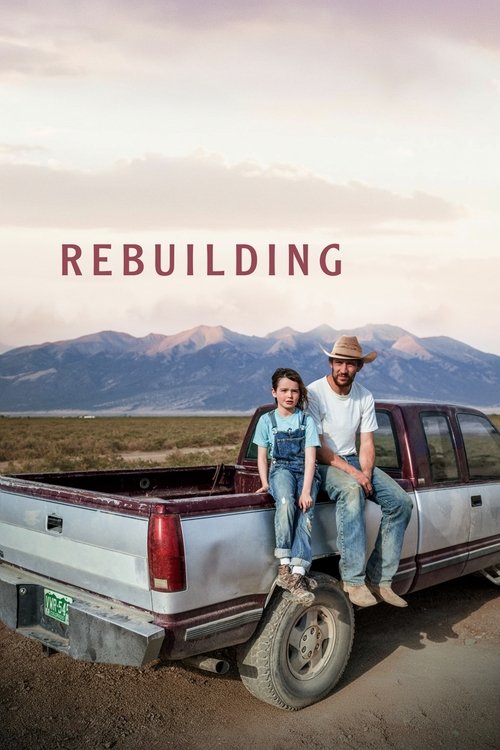
Rebuilding
Plot
After wildfires take his ranch, a cowboy named Dusty winds up in a FEMA camp, finding community with others who lost homes, including his daughter and ex-wife.
Get the Weekly Woke Watchlist
New and trending movies scored for woke bias, preachy messaging, and forced political themes — before you waste your evening.
No spam. One useful email per week.
Overall Series Review
Categorical Breakdown
The core narrative focuses on a family unit and shared universal loss rather than systemic oppression. Characters are primarily defined by their personal tragedy and relationships (father, daughter, ex-wife), suggesting a focus on universal human struggle after a disaster, not immutable characteristics.
The story centers on the destruction of the protagonist's traditional home and way of life, symbolized by the ranch. The narrative may frame the natural disaster as a consequence of societal failures, hinting at a need to fundamentally change rather than simply restore the existing civilization.
The male lead, a traditional cowboy figure, is introduced in a state of failure, having lost his home and already being divorced. The narrative structure places him in a dependent community setting with his ex-wife and daughter, suggesting the female characters will likely be depicted as the stable, competent forces driving the rebuilding and emotional recovery while the male lead struggles to adapt.
The narrative introduces a broken traditional family unit (divorced parents) in a communal, non-normative living environment. The setting of a FEMA camp provides a convenient narrative space for the insertion of diverse characters and modern sexual and gender theories as part of the 'new community.'
The spiritual response to the overwhelming loss and disaster is shown to be purely secular, focusing on a community-based, non-religious process of rebuilding. Traditional faith structures are not presented as a source of strength or hope, suggesting that morality and meaning are found through collective human effort rather than transcendent moral law.
Get the Weekly Woke Watchlist
New and trending movies scored for woke bias, preachy messaging, and forced political themes — before you waste your evening.
No spam. One useful email per week.