Drive Hard
Plot
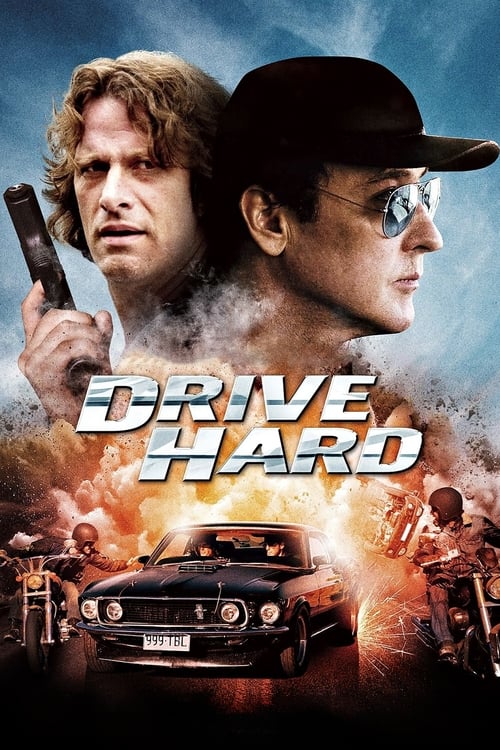
A former race car driver is abducted by a mysterious thief and forced to be the wheel-man for a crime that puts them both in the sights of the cops and the mob.
Get the Weekly Woke Watchlist
New and trending movies scored for woke bias, preachy messaging, and forced political themes — before you waste your evening.
No spam. One useful email per week.
Overall Series Review
Categorical Breakdown
Characters are defined by their roles as a retired driver, a professional thief, a lawyer, or corrupt officials. The narrative does not rely on race, immutable characteristics, or intersectional hierarchy; conflict is driven by a generic crime plot and personal crisis. The cast is colorblind in a low-stakes way, without political commentary.
The conflict targets corporate corruption (bankers and money laundering) and police corruption, which are standard, immediate criticisms found in the action/crime genre. It does not frame Western culture as fundamentally corrupt, nor does it demonize Western ancestors, maintaining a low-key, localized setting for the caper.
The main domestic conflict centers on the male protagonist's feelings of emasculation because his wife is a highly-organized, high-earning lawyer. This setup frames the wife's career success and domestic control as a problem for the male hero's sense of self-worth and vitality, which is more of a traditional trope than a 'Girl Boss' celebration. The female federal investigator is a competent professional, preventing a fully complementary score, but the marital tension is an anti-modern-feminist framing.
The narrative focuses exclusively on a conventional crime and chase plot. There is no presence of alternative sexualities, gender ideology, or deconstruction of the nuclear family as a central theme or plot point.
The film does not engage in philosophical or spiritual commentary. The plot concerns a financial crime and subsequent pursuit, with morality being a simple 'stealing from corrupt thugs' dynamic common in caper films, and there is no hostility toward religion or Christianity.
Get the Weekly Woke Watchlist
New and trending movies scored for woke bias, preachy messaging, and forced political themes — before you waste your evening.
No spam. One useful email per week.