Outlander
Season 7 Analysis
Season Overview
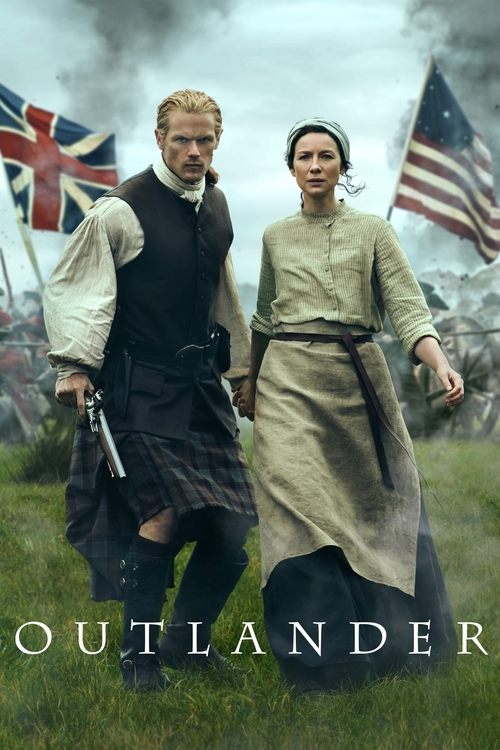
In the seventh season, Jamie, Claire, and their family are caught in the violent birth pains of an emerging nation as armies march to war and British institutions crumble in the face of armed rebellion. In order to protect what they've built, the Frasers will have to navigate the perils of the Revolutionary War and learn that sometimes to defend what you love, you have to leave it behind. As the conflict draws them out of North Carolina and into the heart of this fight for independence, Jamie, Claire, Brianna, and Roger are faced with impossible decisions that have the potential to tear their family apart.
Season Review
Categorical Breakdown
The narrative positions the Revolutionary War and the British imperial/Loyalist military as a primary, systemic antagonist, framing the conflict around institutional power and injustice. This critique of a specific historical power structure slightly elevates the score. Character roles remain based on competence and personal loyalty, not on intersectional hierarchy. The main family is white, and diversity is not inserted via race-swapping.
The central conflict involves Jamie, a Highlander, fighting against the British Crown, which represents a rejection of the established Western system of the time. However, the deep drive for the main characters is to protect and return to their chosen home, Fraser's Ridge, and their ancestral home, Scotland. The core family unit is consistently presented as a strong, vital institution to be preserved, honoring a sense of deep belonging and heritage.
Female leads Claire and Brianna are highly competent, independent professionals—a modern surgeon and an engineer—who operate as equals with their male partners. Claire takes on a male apprentice, acting as a confident mentor. The narrative validates motherhood and the nuclear family structure, with the main couples' complementary relationships remaining the emotional anchor. The show avoids anti-natalist messaging.
The core of the story focuses on traditional male-female pairings and the nuclear family structure. Lord John Grey, a highly competent, recurring gay character, is a valued friend and is pivotal in the William storyline. His respected status and same-sex relationships exist within the historical context, moving the score above a pure 1, but the plot does not center on sexual identity or deconstruct the male-female normative structure.
The season contains a significant and complex exploration of religious faith. Major characters like Jamie (Catholic) and Roger (Minister) rely on their faith for strength, and new characters, the Quakers, struggle with their non-violence beliefs in the face of war. Faith is treated as a transcendent source of moral guidance and personal identity, directly countering the vilification of traditional religion.