Delivery Run
Plot
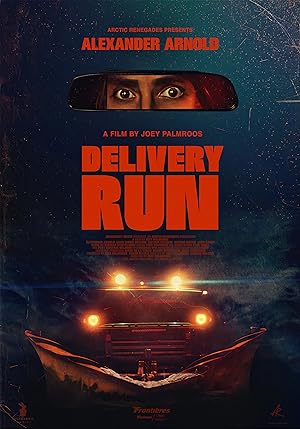
A food delivery driver gets caught in a deadly chase in the icy Minnesota wilderness, pursued by a crazed snowplow driver for unknown reasons, facing life-threatening situations and forced to outsmart his relentless pursuer alone.
Get the Weekly Woke Watchlist
New and trending movies scored for woke bias, preachy messaging, and forced political themes — before you waste your evening.
No spam. One useful email per week.
Overall Series Review
Categorical Breakdown
Score 3/10. The core conflict is a genre road-rage/survival thriller. The protagonist is a flawed, down-on-his-luck white male gambler (Lee), who is judged by the content of his bad financial decisions (meritocracy of consequences). While the film features a Black female character (Rebecca) as a secondary antagonist (loan shark) who threatens the protagonist, this plot point serves to create the stakes (debt collection) rather than frame the narrative as a lecture on systemic oppression, privilege, or the vilification of whiteness as a societal theme.
Score 1/10. The film is a genre exercise set in the snowy Minnesota wilderness. There is no evidence in the plot or reviews of hostility toward Western civilization, the deconstruction of national heritage, or the demonization of ancestors. The threat comes from a psychotic local snowplow driver and an implied occult sub-plot involving an 'ancient rune knife' and human sacrifice, which presents an immediate, localized evil rather than a critique of the 'home culture' as fundamentally corrupt.
Score 1/10. Gender dynamics are not a central theme. The only notable female character mentioned is Rebecca, the loan shark, who is a secondary *villain* and not a 'Girl Boss' in the sense of a celebrated, flawless 'Mary Sue' replacing a male role. The male protagonist, Lee, is deeply flawed, but his arc is a standard survival story requiring him to exercise grit and determination. There is no messaging against masculinity, motherhood, or the nuclear family.
Score 1/10. The plot is strictly focused on a man's personal financial problems, a road chase, and a fight for his life. There is no mention in the plot summary or reviews of centering alternative sexualities, deconstructing the nuclear family, or engaging with gender ideology. The film's structure is normative as it relates to core relationships, or lack thereof, in a high-octane thriller format.
Score 1/10. The film's primary focus is secular (survival/debt). The secondary horror element involves 'ancient rune knife' and 'human sacrifice,' which places the source of the transcendent evil outside of traditional religion. There is no indication of hostility toward Christianity, religious figures being portrayed as villains/bigots, or the philosophical embrace of moral relativism as a narrative theme.
Get the Weekly Woke Watchlist
New and trending movies scored for woke bias, preachy messaging, and forced political themes — before you waste your evening.
No spam. One useful email per week.