Bilocation
Plot
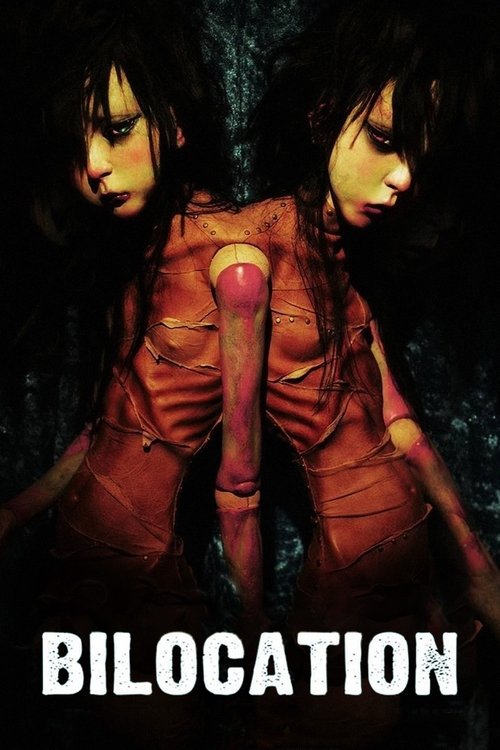
Shinobu Takamura is an aspiring painter. One day, she is accused of using counterfeit money. Shinobu is confused by the allegation, because she never did such a thing and was at home when the crime occurred. Police Officer Kanou then appears and takes her to a place. When they get there, a group of people are already gathered. All of the people there are concerned over a doppelganger like existence that looks just like them and acts like them. They call that existence "bilocation".
Get the Weekly Woke Watchlist
New and trending movies scored for woke bias, preachy messaging, and forced political themes — before you waste your evening.
No spam. One useful email per week.
Overall Series Review
Categorical Breakdown
The film is a Japanese production with a Japanese cast. The entire premise is driven by a psychological/supernatural phenomenon affecting individuals regardless of immutable characteristics. Character conflict is based on personal merit and internal psychological struggle, not race or intersectional hierarchy.
The movie is set within contemporary Japanese society and its core conflict is a universal, supernatural one about self-identity and duality. There is no evidence of hostility toward its own culture or ancestors, nor is the setting framed as fundamentally corrupt or racist.
The main female lead, Shinobu, is an artist whose bilocation is born from the conflicted desire between her artistic career and her married life. This focuses heavily on a woman’s struggle for self-fulfillment but frames the conflict as an internal dilemma rather than an anti-natalist lecture. Her husband is portrayed as a 'warm-hearted man,' preventing the typical 'emasculation' or 'toxic male' tropes.
The narrative centers on a traditional male-female relationship and the supernatural problem of a doppelgänger. There is no presence of alternative sexual ideologies, deconstruction of the nuclear family, or lecturing on gender theory.
The phenomenon of bilocation has roots in mystical/religious history, but the film grounds the doppelgänger's creation in intense, conflicted human emotion (psychology). While this establishes a secular/humanistic basis for morality over a transcendent one, there is no active vilification of religion or Christian characters.
Get the Weekly Woke Watchlist
New and trending movies scored for woke bias, preachy messaging, and forced political themes — before you waste your evening.
No spam. One useful email per week.