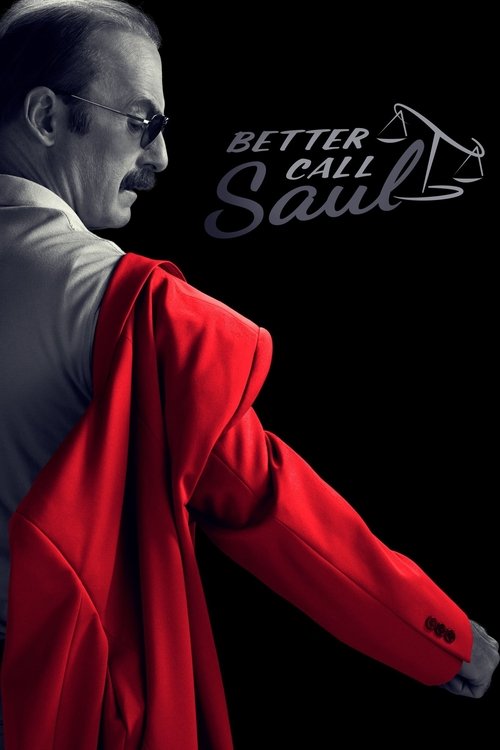
Better Call Saul
Season 6 Analysis
Season Overview
From the cartel to the courthouse, from Albuquerque to Omaha, season six tracks Jimmy, Saul and Gene as well as Jimmy's complex relationship with Kim, who is in the midst of her own existential crisis. Meanwhile, Mike, Gus, Nacho and Lalo are locked into a game of cat and mouse with mortal stakes.
Season Review
Categorical Breakdown
Characters are defined exclusively by their actions, intelligence, and ambition, not by race or gender. The power dynamics within the cartel are based on criminal hierarchy and ruthlessness, while the legal world's hierarchy is based on merit, competence, and insider connections. No character's arc, whether white, Hispanic, or Black, is framed as a lecture on 'systemic oppression' or 'privilege.' Competent characters are found across all groups, and morally flawed characters are also universal.
The series critiques the hypocrisy and rigidity within the American legal profession, primarily through characters like Howard Hamlin and Chuck McGill, but this is a critique of flawed institutions and individuals, not a demonization of the entire civilization. The alternative presented, the drug cartel, is a world of pure, nihilistic violence, confirming that the Western legal structure, even corrupted, is a preferred alternative. The ending emphasizes individual accountability and redemption, demonstrating respect for transcendent concepts of justice.
Kim Wexler is an independent and extremely competent lawyer whose rise is based on hard work and skill. Her arc in Season 6 is a deep dive into her own moral corruption and a tragic path that leads to a consequence-filled end, directly contradicting the 'Mary Sue' or 'Girl Boss' trope. She is ultimately responsible for her own choices and suffers profound emotional and professional loss, making her story a cautionary tale about personal ambition rather than a celebration of feminist ideals.
Homosexuality is not a theme in the narrative. While a major character (Gus Fring) is subtly implied to be gay in a single, non-Season 6 flashback, this is never centered in the plot, becomes a political issue, or is used to deconstruct the nuclear family structure. The focus remains entirely on criminal enterprise and personal vendetta. The central romantic pairing is the traditional male-female relationship between Jimmy and Kim.
The core philosophical conflict is moral in nature, exploring moral relativism—the idea that 'morality is subjective.' However, the narrative ultimately refutes pure moral relativism through the definitive, severe consequences faced by Jimmy and Kim, and Jimmy's final, conscious act of confession and accountability (choosing a greater prison sentence to find peace and protect Kim) acts as an affirmation of objective truth and higher moral law. The story is secular, not anti-theistic; it does not vilify or attack religious faith.