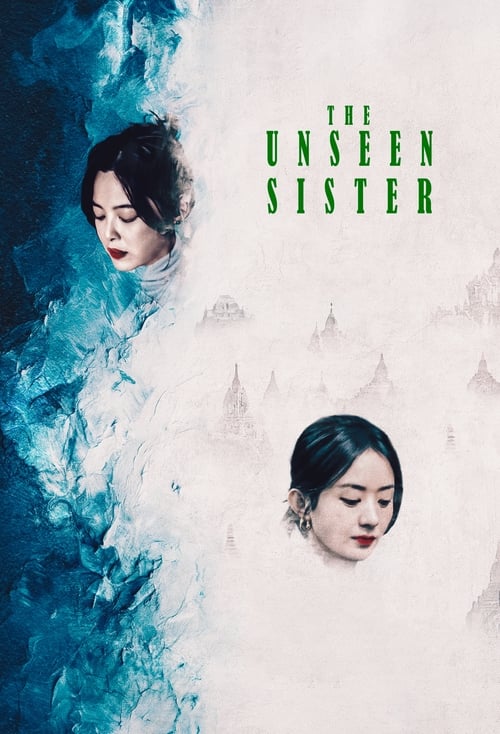
The Unseen Sister
Plot
Qiao Yan, born in a border town in southwest China, becomes a star actress after much effort and struggle. But despite her aura of glamour, she always feels hidden pressure. When she receives a threatening anonymous letter, her long-estranged sister suddenly comes to see her.
Get the Weekly Woke Watchlist
New and trending movies scored for woke bias, preachy messaging, and forced political themes — before you waste your evening.
No spam. One useful email per week.
Overall Series Review
Categorical Breakdown
The film’s central conflict is rooted in a personal identity issue—a star actress using her estranged sister's legal identity—not a broader lecture on intersectional hierarchy or immutable characteristics. The narrative concerns class disparity and the contrasting lives of a celebrity and a migrant from the border region, which is a regional issue, not a vilification of a majority group based on Western racial categories. The casting is naturally authentic to the film's East Asian setting.
The film's critique is directed at the corruption and exploitation within the Chinese entertainment industry, not a general hostility towards the civilization or national ancestors as a whole. The narrative is a thriller exposing a specific systemic corruption rather than framing the home culture as fundamentally rotten or racist. The film’s emotional center—the rediscovered bond between the sisters and their ultimate value of family—pushes back against civilizational self-hatred.
The movie is described as a 'feminist crime drama framework' and focuses on issues of sexual harassment and assault within the entertainment industry, indicating a critique of patriarchal power structures. The lead actress is a 'cold and queenly' and instantly successful 'Girl Boss' type figure who is supremely catty to a younger female co-star and is not portrayed as a 'Mary Sue'. However, the narrative ultimately concludes with a celebration of the sisterly bond, family, and a pregnant sister's role, suggesting that career is not the 'only' fulfillment. This presents a mixed picture of both the critique of male toxicity and the ultimate affirmation of family.
There are no reports of the film containing overt themes of alternative sexualities, deconstructing the nuclear family, or lecturing on gender ideology. The focus remains on the dramatic conflict between the two biological sisters and their family secrets. The older sister is explicitly pregnant, underscoring a traditional family element.
There is no explicit mention in the plot or reviews of hostility towards religion (specifically Christianity) or faith. However, the psychological thriller genre focusing on deep family secrets, corruption, and exploitation within a morally ambiguous industry suggests a world that operates on subjective, transactional 'power dynamics' and a loss of objective moral truth, hence a moderate score is warranted for the theme of a 'Spiritual Vacuum,' even without overt religious critique.
Get the Weekly Woke Watchlist
New and trending movies scored for woke bias, preachy messaging, and forced political themes — before you waste your evening.
No spam. One useful email per week.