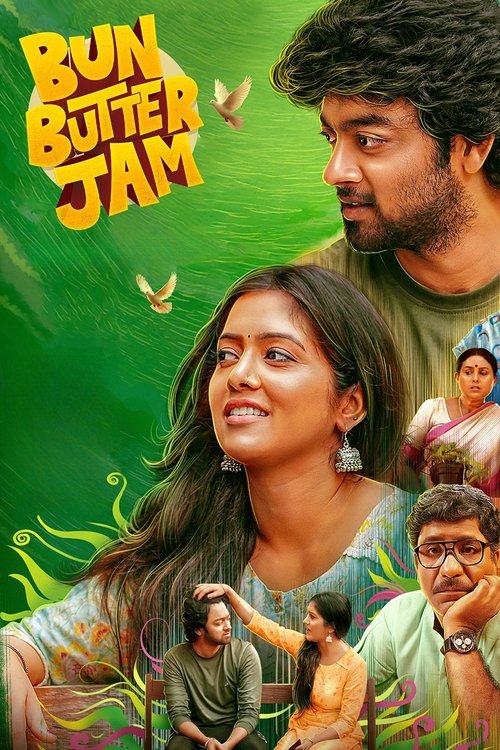
Bun Butter Jam
Plot
Two mothers, disillusioned by failed marriages, team up to orchestrate a master plan to unite their freshman kids, Chandru and Madhu. But things get muddied when their Gen Z kids have other plans, leading to a clash of wills and generational divide.
Get the Weekly Woke Watchlist
New and trending movies scored for woke bias, preachy messaging, and forced political themes — before you waste your evening.
No spam. One useful email per week.
Overall Series Review
Categorical Breakdown
The narrative's central conflict is a generational divide over family expectations and romance, not a lecture on systemic oppression or an intersectional hierarchy. Characters are judged by their personal desires and familial roles. The casting is culturally specific to the film's Indian origin, with no sign of forced diversity or vilification of an external 'whiteness.'
The film focuses on a comedic generational clash within an established home and culture. The mothers' disillusionment with their past marriages critiques specific family outcomes, and the youth's independence pushes against 'outdated notions' of their parents. This is a common family trope and does not frame the core culture or its ancestral values as fundamentally corrupt or evil.
Two mothers, having experienced failed marriages, are the proactive, dominant figures who instigate the entire plot through a manipulative 'master plan.' They are highly competent and are noted as the comedic highlight, which provides strong female centrality and a degree of female-driven control over the male lead's life. The goal is the creation of a new family unit, balancing the anti-marriage theme of the mothers' past with a pro-natalist, though coerced, future.
The core plot is a traditional romantic comedy focused on an attempt to establish a male-female pairing for an 'arranged love marriage.' The narrative centers on this normative structure of the nuclear family. No known plot elements or themes indicate the presence of queer theory, gender ideology, or a movement to deconstruct biological reality.
The genre is a romantic comedy-drama about family, love, and generational differences. There is no information in the plot or commentary suggesting hostility toward any traditional religion, the vilification of religious characters, or a focus on moral relativism as a subject of debate.
Get the Weekly Woke Watchlist
New and trending movies scored for woke bias, preachy messaging, and forced political themes — before you waste your evening.
No spam. One useful email per week.