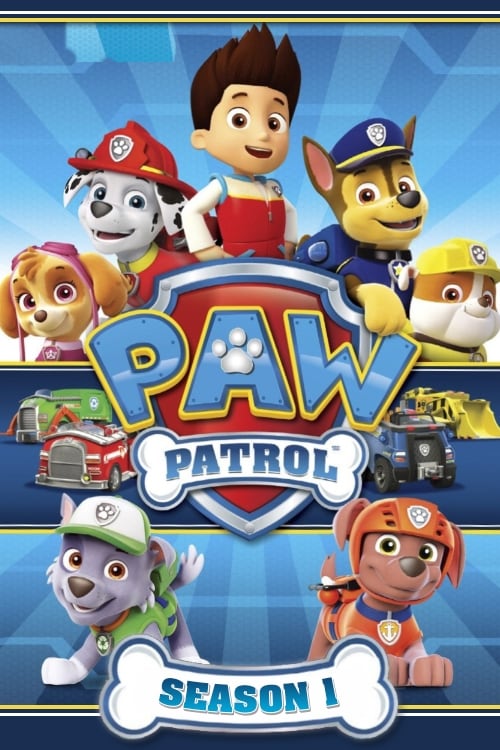
PAW Patrol
Season 1 Analysis
Season Overview
No specific overview for this season.
Season Review
Categorical Breakdown
The premise is universal functional meritocracy, where each pup's value is based entirely on the rescue skill they contribute. The human leader, Ryder, is a young white male, but the narrative does not lecture on race, privilege, or systemic oppression. Character issues are entirely behavioral (like Marshall’s clumsiness) not immutable characteristics.
The entire purpose of the PAW Patrol is to protect and maintain the community of Adventure Bay. The show implicitly promotes gratitude toward the town and its infrastructure. Although the human characters who represent 'the state' (Mayor Goodway and Cap'n Turbot) are frequently incompetent or accident-prone, requiring the private PAW Patrol to intervene, this is a critique of inefficiency, not civilizational self-hatred.
The team of six original pups features a significant gender disparity, with only one female pup (Skye) to five males. The primary female human character, Mayor Goodway, is frequently depicted as bumbling, vain, and incompetent, often being the direct cause of the emergency, while the male pups are highly competent. Skye is an effective and competent 'Girl Boss' archetype, which prevents a higher score, but the imbalance and the Mayor's characterization slightly raise the score.
The show is a toddler cartoon and is entirely silent on all matters of sexual ideology. The focus is on a traditional, sex-segregated team of puppies and a young boy leader. The nuclear family structure is neither centered nor deconstructed, as the main characters are children and animals living in a communal service unit. There is no lecturing on gender theory or centering of alternative sexualities.
The morality is objective, transcendent, and clear: helping the community is good, and selfishness/mischief (Mayor Humdinger) is bad. The morality is secular, focusing on courage, teamwork, and service. Episodes feature secular versions of holidays like Christmas and Easter but do not actively promote or attack religion, making the series spiritually neutral and free of anti-theist sentiment.