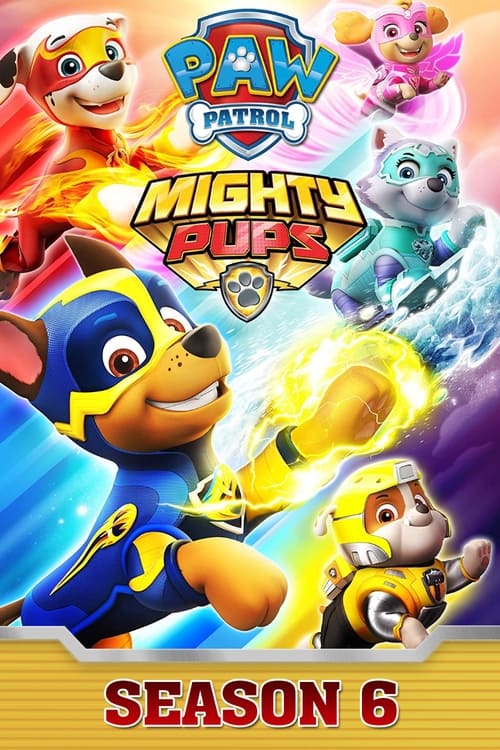
PAW Patrol
Season 6 Analysis
Season Overview
No specific overview for this season.
Season Review
Categorical Breakdown
The narrative determines character value entirely by their competence and merit in solving the mission. Characters are animals or children, and the plot contains no discussion of race, privilege, or systemic oppression. The show is built on universal meritocracy.
The show continually celebrates its setting, Adventure Bay, and the successful functioning of its institutions (the PAW Patrol team and their technology). The goal of every episode is to preserve and protect the community from threats, showing respect for the established order. A conservative critique of the show's depiction of government incompetence exists outside the main text, but the internal narrative is pro-civilizational order.
Female characters like Skye are consistently competent, and the new Mighty Twins arc introduces a powerful female pup, Ella. The male characters (Ryder, Chase, Marshall, etc.) are also highly competent leaders and team members, not bumbling idiots. The narrative avoids any lecturing on gender roles, emasculation of males, or anti-family messaging. The score reflects a mild inclusion of the 'Girl Boss' trope through a super-powered female lead in the new arc, but it does not diminish the males.
The plot contains no explicit content or subtext related to alternative sexualities, sexual identity, or gender theory. The show maintains a normative, non-sexualized structure appropriate for its preschool audience. The nuclear family is not deconstructed or mentioned.
The series is purely secular and focused on technological problem-solving. There are no religious themes or characters to be hostile toward. Morality is objective and defined by the clear goal of helping others, promoting an unambiguous good versus the selfish acts of the antagonists.