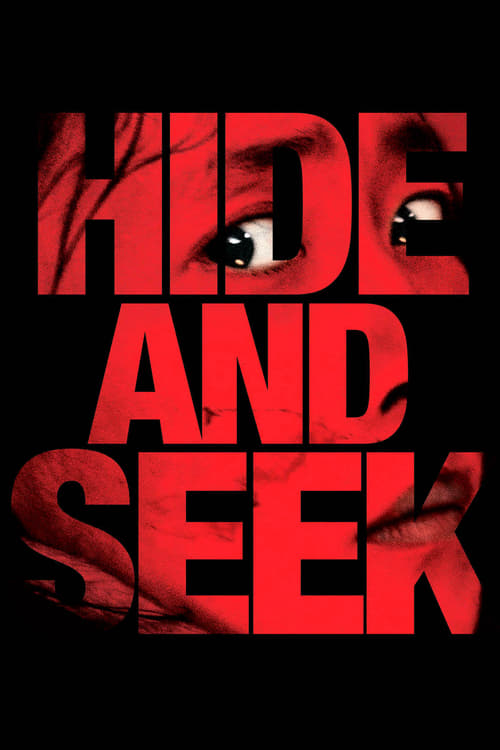
Hide and Seek
Plot
Sung-soo has everything a man could want: a beautiful wife and children, a comfortable home and luxury car, and plenty of money in the bank. When he learns that his estranged brother, Sung-chul, has gone missing, haunting memories of their troubled past urge him to visit his brother’s apartment in search of answers.
Get the Weekly Woke Watchlist
New and trending movies scored for woke bias, preachy messaging, and forced political themes — before you waste your evening.
No spam. One useful email per week.
Overall Series Review
Categorical Breakdown
The movie is a South Korean production and does not engage with Western intersectional or race-based politics. The primary conflict is based on class disparity. The protagonist is vilified for a past moral failure and his disgust toward his brother's physical condition, not for being a 'white male' or belonging to a specific immutable characteristic group.
The central theme is a critique of modern Korean consumerist culture and the social inequality it creates. The wealthy 'home culture' of the protagonist is framed as fundamentally corrupt and unsympathetic, built on moral compromise and the sacrifice of the less fortunate, which drives the antagonist's violence. This internal critique of the domestic status quo raises the score.
The core of the story involves the nuclear family fighting for survival. The main antagonist is a highly capable, ruthless female serial killer and a mother, making her a figure of extreme competence, but she is an evil villain, not an idealized 'Girl Boss.' The narrative focuses on the protective masculinity of the flawed father figure defending his family, not his emasculation.
The narrative is centered on a traditional nuclear family facing an external threat. No characters or subplots center on alternative sexualities, deconstruct the traditional family unit as oppressive, or engage in gender identity theory.
The movie is a secular thriller focused on psychological suspense and social themes. There is no representation of religion, and the moral framework rests on objective condemnation of murder and theft, stemming from the consequences of the protagonist's original lie, not moral relativism.
Get the Weekly Woke Watchlist
New and trending movies scored for woke bias, preachy messaging, and forced political themes — before you waste your evening.
No spam. One useful email per week.