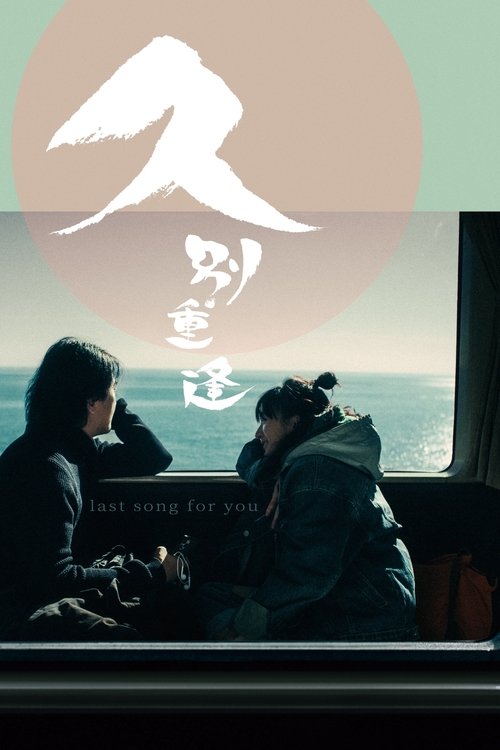
Last Song for You
Plot
When has-been pop star So Sing Wah reluctantly agrees to join Summer, the daughter of his high school crush, Ha, on a journey to Japan to scatter Ha’s ashes, he has no idea that the trip will unravel not just distance, but time itself. In their teens, So and Ha shared music, hopes, and dreams—until a sudden departure changed everything. Now, they have a second chance.
Get the Weekly Woke Watchlist
New and trending movies scored for woke bias, preachy messaging, and forced political themes — before you waste your evening.
No spam. One useful email per week.
Overall Series Review
Categorical Breakdown
The film is a Hong Kong production with an all-Asian cast; casting is historically and culturally authentic. The narrative focuses on the universal human themes of regret and personal failure, not on race, systemic oppression, or any vilification of an identity group. Character merit and emotional sincerity are the sole metrics for judgment.
The film is a sentimental ode to Hong Kong culture, specifically its Cantopop music scene and a local island setting. The use of a journey to Japan and a Chinese title meaning 'To meet again after a long separation' celebrates Hong Kong's internal cultural landscape and heritage. There is no critique of Western civilization or any form of civilizational self-hatred.
The score is low but not the minimum. The main male character is a 'washed-up' musician who is depressed and suffering from addiction and failure, positioning him as a bumbling or broken figure. The female leads (Ha and Summer) are depicted with quiet strength, intelligence, and a 'heart-melting' quality, and they serve as the catalysts for the male protagonist's emotional and creative redemption. While the male is flawed and the females are the 'guiding light,' this dynamic serves the emotional melodrama of his self-discovery, not a political lecture on gender.
The story is a straightforward heterosexual romance melodrama about a man, his first love, and her daughter. The narrative centers on a traditional male-female pairing and the legacy of that relationship through a daughter. There are no elements of alternative sexualities, gender ideology, or deconstruction of the nuclear family presented in the plot.
The film employs magical realism, such as time travel through a crystal, to facilitate emotional and moral change. This is a non-religious, supernatural plot device. The morality is transcendent, urging the protagonist to reconnect with his 'purer self,' acknowledge his past mistakes, and heal old wounds, consistent with a higher, objective moral law of personal accountability. Traditional religion is neither present nor attacked.
Get the Weekly Woke Watchlist
New and trending movies scored for woke bias, preachy messaging, and forced political themes — before you waste your evening.
No spam. One useful email per week.