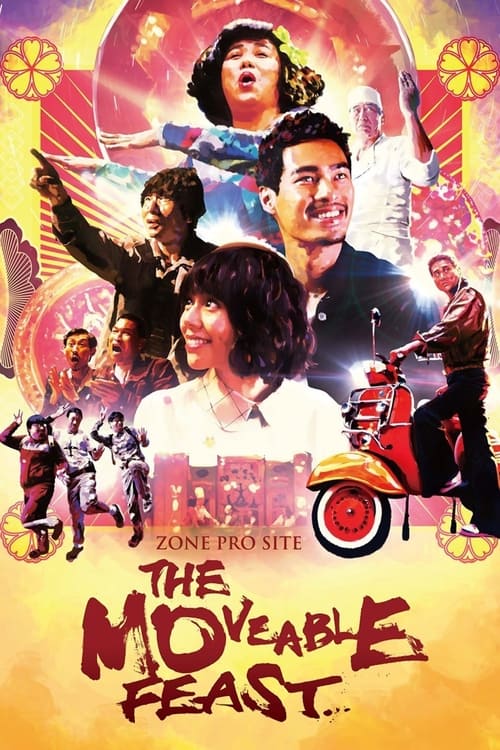
Zone Pro Site: The Moveable Feast
Plot
More than 20 years ago, there were three "Ban Dou" master chefs who dominated the catering business in Taiwan. However, the street banquet business has been in decline since Taiwan's economic boom. Master Fly Spirit wants to pass the family recipes and culinary skills on to his only child, Wan, but she desperately wants to run away from the family business and to become a film star.
Get the Weekly Woke Watchlist
New and trending movies scored for woke bias, preachy messaging, and forced political themes — before you waste your evening.
No spam. One useful email per week.
Overall Series Review
Categorical Breakdown
Characters earn respect and legendary status based on their culinary skill and creativity in the Ban Dou tradition, establishing a system of universal meritocracy. The conflict is generational and cultural, not based on immutable characteristics or intersectional hierarchy. The story celebrates the mastery of a craft.
The entire film is a warm tribute to and a plea for the revival of traditional Taiwanese Ban Dou outdoor banquets, which is a key component of the local indigenous culture and ancestral heritage. The traditional 'home' culture is framed as authentic and valuable, while the protagonist's initial rejection of it leads to hardship and failure in the external modern world.
The female protagonist initially rejects her family's vocation for a career as a model/actress in the city, aligning with the idea that career is the only fulfillment. However, her professional pursuit fails, and she only finds redemption and purpose by returning home and applying herself to the difficult, merit-based work of the family business. The narrative demonstrates that mastery is achieved only through hard work and learning, not instant perfection. Men and women are shown as capable of leadership in the culinary world.
The narrative focuses on traditional family structure and the generational passing down of a vocational legacy. The core events, such as banquets, often center on traditional ceremonies like wedding receptions. The film does not center alternative sexualities, deconstruct the nuclear family, or lecture on gender ideology.
The film's embrace of traditional culture implicitly includes respect for its spiritual and ancestral underpinnings, with the master chef's name, 'Master Fly Spirit,' suggesting a connection to traditional elements. The focus is on an objective moral law defined by culinary excellence and integrity, which is a transcendent, higher standard within the world of the craft.
Get the Weekly Woke Watchlist
New and trending movies scored for woke bias, preachy messaging, and forced political themes — before you waste your evening.
No spam. One useful email per week.