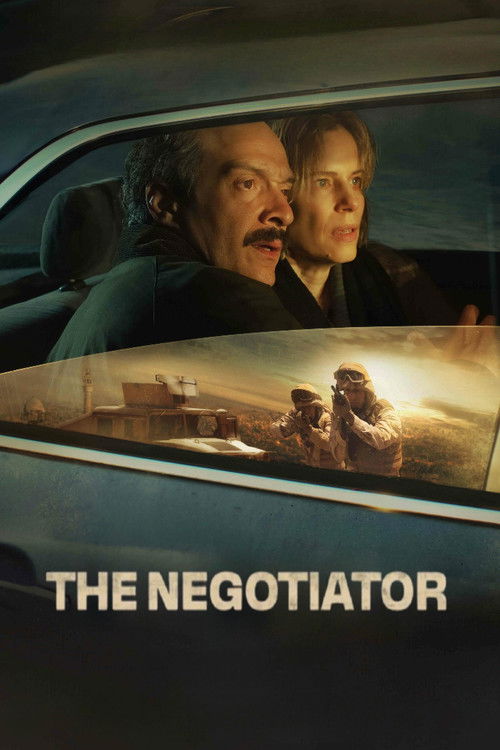
The Negotiator
Plot
Baghdad, 2005. After Italian journalist Giuliana Sgrena is kidnapped by insurgents, veteran SISMI negotiator Nicola Calipari is tasked with rescuing her, but interference from US forces in Iraq compromises his mission.
Get the Weekly Woke Watchlist
New and trending movies scored for woke bias, preachy messaging, and forced political themes — before you waste your evening.
No spam. One useful email per week.
Overall Series Review
Categorical Breakdown
The plot is driven by a political and military crisis from a true-life event, not by intersectional dynamics. The protagonist is a white male hero whose merit, sacrifice, and integrity are the central focus of the story. The primary antagonists are the Iraqi terrorist cell and the US military, which is depicted as incompetent or conspiratorial, but this is a geopolitical/military critique against a Western ally, not a narrative lecture on race or the vilification of 'whiteness' as an immutable characteristic.
The movie does not exhibit civilizational self-hatred; in fact, it actively celebrates the Italian hero and his 'great nobility of spirit' and sacrifice, affirming the humanitarian and protective values of the nation/West against chaos. Criticism is focused on a specific systemic failure or policy of the US military/government in a war zone, which is a political critique of a system's actions, not a fundamental condemnation of Western civilization, family, or ancestors.
Gender dynamics are traditional and complementary. The male protagonist's masculinity is celebrated as protective through his ultimate, heroic act of shielding the journalist. His wife is portrayed as a supportive partner, not a woman imprisoned by family life, and his family is a source of strength. The female journalist is the object of a rescue, and there is no indication of a 'Girl Boss' or 'Mary Sue' trope where female characters are instantly perfect and men are emasculated.
The narrative is a focused political and biographical thriller on a 2005 real-world rescue mission. The structure is normative, featuring a traditional male-female pairing (the agent and his wife). There are no plot points or thematic elements centering on alternative sexualities, gender ideology, or deconstruction of the nuclear family.
The movie is a secular war-drama, but the central theme is the protagonist's profound, selfless sacrifice, an act of transcendent morality that acknowledges a higher moral law. There is no evidence of hostility toward religion, specifically Christianity, or an embrace of moral relativism; the hero's action is presented as an objective good.
Get the Weekly Woke Watchlist
New and trending movies scored for woke bias, preachy messaging, and forced political themes — before you waste your evening.
No spam. One useful email per week.