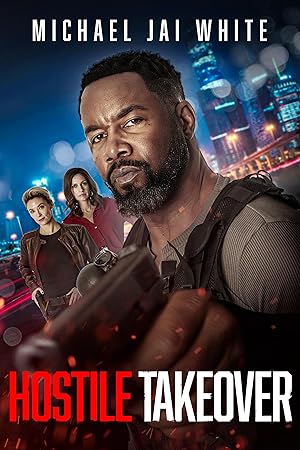
Hostile Takeover
Plot
Follows Pete, a professional hitman, as he faces a group of assassins after the boss of a crime syndicate suspects disloyalty due to his attendance at Workaholics Anonymous meetings.
Get the Weekly Woke Watchlist
New and trending movies scored for woke bias, preachy messaging, and forced political themes — before you waste your evening.
No spam. One useful email per week.
Overall Series Review
Categorical Breakdown
The plot's central conflict revolves around a hitman's personal choice to seek inner peace and work-life balance versus the paranoia of his crime syndicate boss. Character merit, specifically Pete’s effectiveness as a killer, is the core issue of his professional standing. The casting is diverse, but the narrative does not use race or immutable characteristics to lecture on privilege or systemic oppression.
The movie operates within the amoral, anti-societal world of a crime syndicate. This is a critique of a toxic *criminal* culture (workaholism, paranoia, betrayal), not Western civilization, heritage, or national institutions. The action-comedy tone is a celebration of classic genre tropes, not a deconstruction of home culture.
The female lead, Mora, is a strong, capable character who partners with the male protagonist in the fight and has a complementary, functional relationship dynamic with him, which the protagonist actively seeks to rekindle. She is part of an 'action duo,' which portrays women as formidable without emasculating the male lead or promoting an anti-natal, career-over-all message.
There is no indication that the narrative centers or discusses alternative sexualities, deconstructs the nuclear family, or promotes gender ideology. The central emotional driver involving a romantic relationship is the traditional male-female pairing between the protagonist and the boss's daughter.
The primary moral/spiritual theme is a secular one: the protagonist seeking 'inner peace' and 'healing' through a support group (Workaholics Anonymous). The conflict is one of professional ethics and betrayal. Traditional religion is neither present nor vilified, and the film does not engage with objective truth versus moral relativism.
Get the Weekly Woke Watchlist
New and trending movies scored for woke bias, preachy messaging, and forced political themes — before you waste your evening.
No spam. One useful email per week.