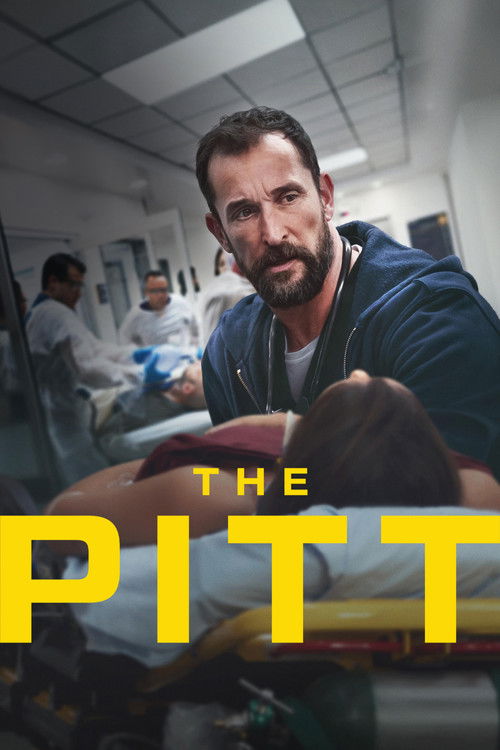
The Pitt
Season 1 Analysis
Season Overview
No specific overview for this season.
Season Review
Categorical Breakdown
The narrative explicitly frames patient care through the lens of identity and systemic bias, notably in scenes discussing patient misdiagnosis due to patient weight and general inequities. The show features numerous women and people of color in positions of authority who are often portrayed as the most insightful when confronting a colleague’s unconscious bias. Commentary from some critics labels the series as having 'unabashedly woke' vignettes, suggesting the plot's function is often to educate on systemic oppression.
The central critique of the series is a harsh and unrelenting focus on the 'decaying state of American healthcare,' framing a major national institution as fundamentally and structurally flawed. The show uses intense, crisis-driven drama to expose the failures of an underfunded, bureaucratic system, which serves to deconstruct confidence in established American structures. The focus is on institutional failure in the present rather than a wholesale demonization of Western history or ancestors.
Female characters are consistently depicted as highly competent and crucial to the successful functioning of the ER, fulfilling the 'Girl Boss' trope of female professional excellence. The male senior attending physician, however, is portrayed as a highly empathetic, authoritative, and competent leader, preventing the complete emasculation of the male gender. A raw, unfiltered birth scene respects the 'emotional gravity of childbirth,' arguing against a strong anti-natalist message.
The series focuses primarily on medical and large-scale social crises like gun violence, addiction, and health system failure, rather than centering sexual ideology or gender theory. The setting provides a platform for a 'wide range of people,' but there is no specific evidence that the narrative makes a focus on transitioning or the deconstruction of the nuclear family a central plot concern.
The show operates primarily in a secular-moral realm, defining its 'moral clarity' through contemporary progressive and scientific consensus, such as on vaccines and systemic bias. Traditional faith is neither a source of strength for the protagonists nor is it actively demonized. The narrative is set in a world where transcendent faith is largely irrelevant to the moral and professional choices of the main characters.