Altered
Plot
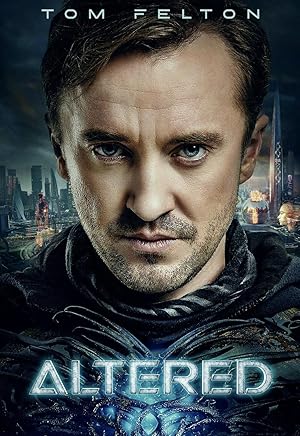
In an alternate present, genetically enhanced humans dominate society. Outcasts Leon and Chloe fight for justice against corrupt politicians exploiting genetic disparity, risking everything to challenge the oppressive system.
Get the Weekly Woke Watchlist
New and trending movies scored for woke bias, preachy messaging, and forced political themes — before you waste your evening.
No spam. One useful email per week.
Overall Series Review
Categorical Breakdown
The plot is entirely built upon a systemic oppression framework, where the genetically enhanced elite (Genetics) actively discriminate against and exploit the un-enhanceable underclass (Specials). This premise functions as a strong allegory for intersectional hierarchy, with an immutable characteristic (genetic status) determining social standing and life opportunities. The villain is a corrupt white male politician, Frank Kessler, who leads the oppression. The struggle for the Specials is a textbook fight against systemic power, which pushes the score high, even without a focus on race or traditional identity markers.
The hostility is not directed toward Western civilization, heritage, or core institutions (like the nuclear family or nation) in their traditional sense. The setting is a post-nuclear, rebuilt world, and the corrupt system being fought is a futuristic, eugenicist-capitalist machine. The focus is on a corrupt *political system* of the future, not a deconstruction or demonization of ancestral culture, keeping the score low.
Chloe is a co-lead and a highly capable character, a skilled botanist who actively participates in the rebellion, establishing a 'Girl Boss' dynamic. The male lead, Leon, is a disabled inventor who needs an exoskeleton to walk, which may be interpreted as a form of emasculation or, conversely, a subversion of the physically perfect male hero. The male and female leads operate as complementary figures in the resistance, but the narrative clearly elevates the competence of the co-lead female character while physically marginalizing the male, resulting in a moderate score.
The plot contains no discernible focus on alternative sexualities, non-traditional gender ideology, or the deconstruction of the nuclear family. The core conflict is a genetic and economic class war, making the presence of this ideology minimal.
The movie does not feature religious characters, themes, or critiques. The conflict is centered on political corruption and the ethics of genetic technology, with no apparent hostility toward religion, specifically Christianity, or discussion of transcendent morality. The setting is secular and utilitarian.
Get the Weekly Woke Watchlist
New and trending movies scored for woke bias, preachy messaging, and forced political themes — before you waste your evening.
No spam. One useful email per week.