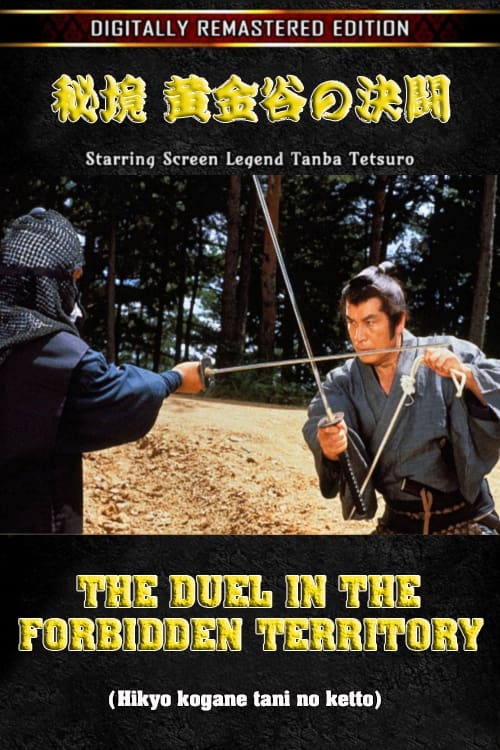
The Duel in the Forbidden Territory
Plot
The wandering swordsman, Ino Heihachiro, defeats Ichima, the youngest of the famed swordsmanship trio, the Nikis, but sustains an injury. In the mountains of Tohoku, he is aided by a young boy named Shosuke. Heihachiro finds refuge in the home of the boy's parents, Magoichi and Shino, only to discover that Magoichi was a skilled ninja from Koga. The peaceful days with the family are short-lived as Ichima, bent on revenge, along with his brothers Kurodo and Ryuma, pursue Heihachiro. Heihachiro and Magoichi head towards the duel's location, but the village headman, Seibei, blinded by the allure of gold dust in the mountains, abducts Shino...
Get the Weekly Woke Watchlist
New and trending movies scored for woke bias, preachy messaging, and forced political themes — before you waste your evening.
No spam. One useful email per week.
Overall Series Review
Categorical Breakdown
Characters are judged purely on skill as warriors (swordsman, ninja) and on their moral intent, such as the swordsman valuing a 'pure heart' over martial tool use. The villain is defined by greed, not privilege or immutable characteristics. Casting is naturally authentic to the Japanese setting, showing a complete focus on universal meritocracy.
The film is set in Japanese history and focuses on a local conflict of honor, family, and greed. The corrupt village headman and the vengeful swordsmen are criticized for their individual moral failings, such as gold lust and personal vendetta, not for representing a fundamentally flawed Japanese 'home culture.' The film reinforces a traditional social order where the family unit is worth defending.
Shino is portrayed in the traditional and complementary role of a wife and mother within a nuclear family structure, which is the heart of the home the men must protect. She is not a 'Girl Boss,' and the core conflict is driven by male action (duels, defense, abduction). The plot values motherhood as the object of defense, which places the score very low.
The narrative is centered entirely on a male-female pairing with a child, presenting the nuclear family unit as the normative structure under attack. There is no presence of alternative sexualities, queer theory, or gender ideology, and sexuality remains private and unremarked upon.
The swordsman’s philosophical counsel to the young boy—that the sword is merely a tool and the 'important thing is to have a pure heart'—establishes a transcendent moral framework based on good intent. The morality of the plot is objective, punishing the greedy and the vengeful while affirming the protective and familial bonds.
Get the Weekly Woke Watchlist
New and trending movies scored for woke bias, preachy messaging, and forced political themes — before you waste your evening.
No spam. One useful email per week.