Nahual
Plot
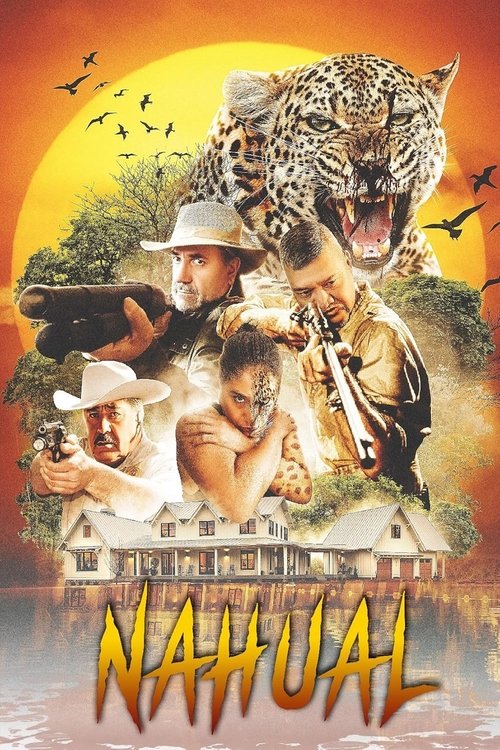
Katia Montero's exotic getaway spirals into terror when she becomes possessed by a bloodthirsty animal spirit. Erotic encounters, violence, and ancient legends converge to deliver a chilling new twist on a South American myth.
Get the Weekly Woke Watchlist
New and trending movies scored for woke bias, preachy messaging, and forced political themes — before you waste your evening.
No spam. One useful email per week.
Overall Series Review
Categorical Breakdown
The movie centers on a Mesoamerican myth with a non-white cast, which naturally roots the story in a diverse, non-Western cultural context. The focus is on the horror of the ancient legend and possession rather than lecturing on systemic oppression or vilifying any specific race. The characters are judged by their actions in the horror scenario, not by an intersectional hierarchy.
The plot features an ancient South American myth as the direct source of terror and chaos, turning the exotic destination into a nightmare. This narrative frame works against the 'Noble Savage' trope, as the local ancestral power is depicted as a violent, bloodthirsty entity. The film does not deconstruct or attack Western civilization or its ancestors; it simply uses a separate, non-Western mythological tradition as the source of its supernatural conflict.
The protagonist, Katia Montero, is a female lead with initial agency who seeks adventure. The entire conflict, however, stems from her being possessed and transformed into a bloodthirsty creature. This focuses the narrative on sexualized, primal violence and body horror. While the female lead is central, there is no evidence of a 'Girl Boss' perfection narrative or an explicit anti-natalism message; her agency is usurped by a savage spirit.
The plot summary focuses on supernatural possession, violence, and erotic encounters without any mention of gender ideology, alternative sexual identities being centered, or the deconstruction of the nuclear family. Sexuality is used as a sensational element of the horror genre, not as a platform for queer theory.
The movie's entire premise revolves around a conflict with a non-Christian spiritual force—a South American animal spirit. This centers the narrative on the supernatural but does not contain any explicit vilification of Christianity. The spiritual conflict exists within the framework of a non-Western mythology, not as a critique of transcendent morality from a traditional Western perspective.
Get the Weekly Woke Watchlist
New and trending movies scored for woke bias, preachy messaging, and forced political themes — before you waste your evening.
No spam. One useful email per week.