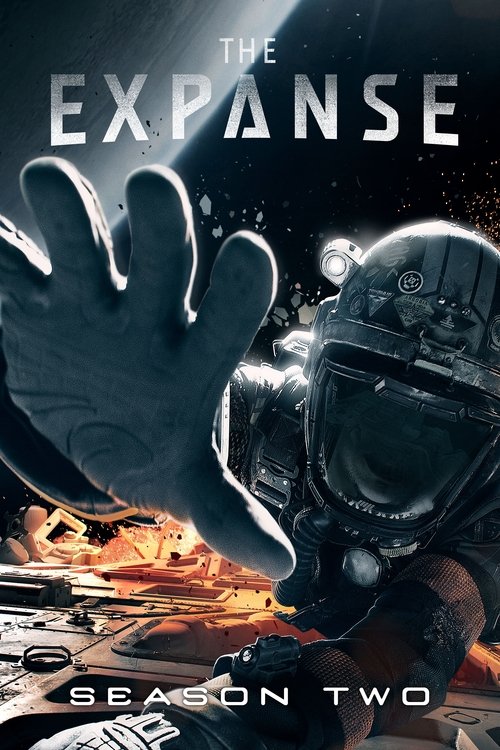
The Expanse
Season 2 Analysis
Season Overview
Season 2 kicks off with interplanetary tensions at an all-time high, the cold war between Earth and Mars is on the brink of an all-out battle.
Season Review
Categorical Breakdown
The narrative is fundamentally structured around a systemic, intersectional hierarchy of privilege, pitting the oppressed Belters (Outer Planets) against the powerful Earthers and Martians. The plot exists to showcase the injustices and exploitation faced by the Belters, a clear allegory for real-world class and race-based oppression. Casting is intentionally diverse across all major factions, and characters' motivations are frequently tied to their planetary/economic identity, though competence is shown across all groups.
Earth, the successor to modern Western civilization and its institutions (the UN), is portrayed as a corrupt, bloated, and imperialistic power that keeps billions dependent on welfare while actively exploiting the outer colonies. This depiction frames the 'home culture' of Earth's political elite as fundamentally venal and a primary source of systemic evil. The villains behind the central conspiracy are high-ranking Earther politicians and a corporate magnate, leading to a strong indictment of their civilization's foundational structure and nationalism.
The season is dominated by powerful, hyper-competent female leads like UN Deputy Undersecretary Chrisjen Avasarala and Martian Marine Bobbie Draper, who are uncompromising leaders in their respective fields. The *Rocinante* crew's engineer, Naomi Nagata, is a technical genius and moral center, making a key, high-stakes decision that drives the season's climax. These women are consistently shown to be superior intellectually and often physically (in Bobbie's case) to many of the male characters around them, aligning with a 'Girl Boss' framing, though male leads remain complex and heroic.
Alternative sexualities and family structures are present and normalized in the background of the world-building, which avoids current-day lecturing on gender theory. Sexuality is largely treated as a non-issue and a private matter among the various cultures. The main narrative focus does not center on sexual identity, deconstruct the nuclear family, or push a specific sexual ideology as a core plot point within this season.
The setting operates in a spiritual vacuum where conflict is driven almost entirely by secular political, economic, and scientific concerns. Moral choices are based on humanistic, relativistic pragmatism (e.g., greater good, group loyalty) rather than any objective or transcendent moral law. The show does not actively demonize traditional religion, but it renders faith completely irrelevant to the main human struggle and the characters' moral guidance.