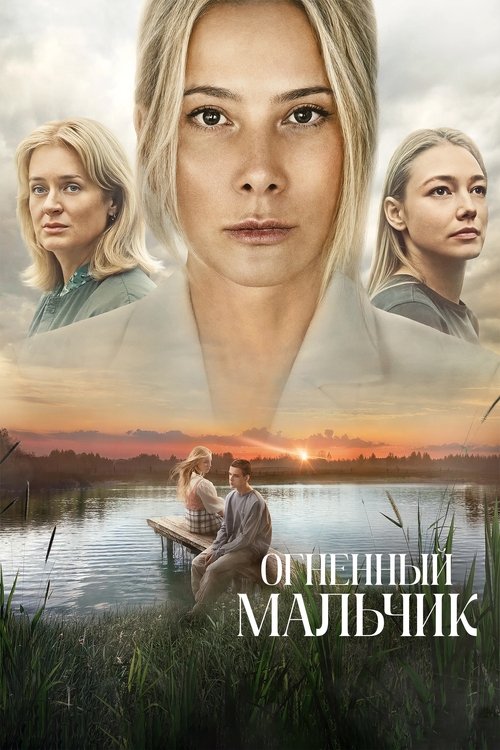
Огненный мальчик
Plot
Maks is a typical Moscow teenager from a wealthy family: spoiled, stubborn, childish. Maks is alone - both internally and externally, and he experiences this state painfully. Maks's mother is the chairman of the Committee on Family and Children in the Duma and is preparing for another re-election. An authoritative, decisive woman, she planned Maks's fate for years to come: prestigious studies, prestigious work, career - but she herself forgot the last time she had a heart-to-heart talk with her son.
Get the Weekly Woke Watchlist
New and trending movies scored for woke bias, preachy messaging, and forced political themes — before you waste your evening.
No spam. One useful email per week.
Overall Series Review
Categorical Breakdown
The drama is entirely centered on a specific socioeconomic class and family dynamic in Russia. Characters are defined by personal flaws (spoiled son, career-obsessed mother) and their moral crisis, not by race or immutable characteristics. The narrative's conclusion focuses on individual responsibility and action, aligning with a merit-based structure.
The film presents a pointed critique of the corrupting effects of wealth and political ambition within the Russian elite establishment, with the mother's hypocrisy being a key plot point. This is a critique of a specific elite class/institution (the Duma politician), not a sweeping demonization of Russian culture, civilization, or ancestors.
The female lead is a powerful 'Girl Boss' political figure, the Duma chairwoman. However, the plot frames her extreme career focus as the central reason for her son's alienation and her subsequent moral dilemma (career versus son). Her ambition is presented as detrimental to her family life, which acts as a critique of the 'career-only fulfillment' ideal.
The core plot is a moral and familial drama involving a traditional mother-son relationship, political fallout, and personal accountability. There is no evidence of alternative sexualities being centered, nor any focus on deconstructing the nuclear family, gender theory, or sexual identity.
The conflict is secular and ethical, revolving around a moral crisis (a potential crime) and the main character's realization of personal responsibility. The film does not engage with religion at all, and the theme of individual accountability pushes against moral relativism.
Get the Weekly Woke Watchlist
New and trending movies scored for woke bias, preachy messaging, and forced political themes — before you waste your evening.
No spam. One useful email per week.