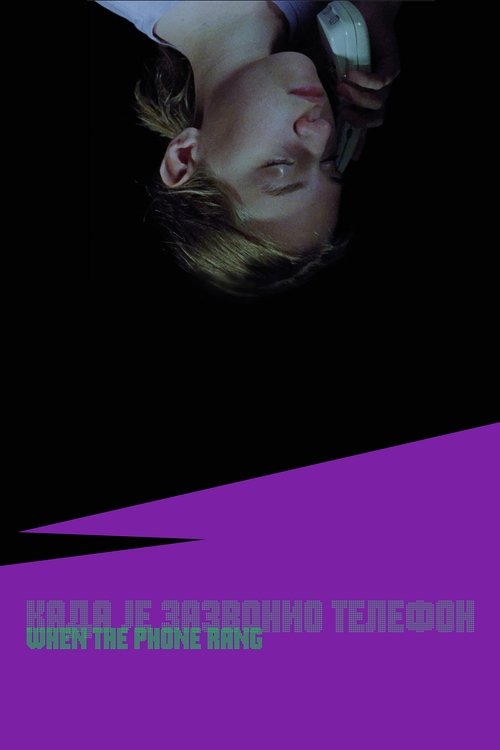
When the Phone Rang
Plot
Through an intimate reconstruction of an important phone call, When The Phone Rang investigates dislocation and the nature of remembering. In the protagonist's eleven year old mind the phone call erases her entire country, history and identity and hides its existence in books, films and memories of those born before 1995.
Get the Weekly Woke Watchlist
New and trending movies scored for woke bias, preachy messaging, and forced political themes — before you waste your evening.
No spam. One useful email per week.
Overall Series Review
Categorical Breakdown
The narrative centers on a specific, non-Western, ethnic identity (Serbian/Yugoslavian) dealing with historical trauma and the loss of its nation and culture. The focus is on a shared, national catastrophe, not on an intersectional hierarchy or the vilification of whiteness. Character definition rests on personal memory, family, and exile, not on immutable characteristics or identity politics lectures.
The film acts as a meditation on the trauma of exile and displacement, explicitly dealing with the painful loss and subsequent erasure of a home country, history, and identity. The central theme is the attempt to preserve a 'lost reality' and memory of home, which is the opposite of hostility toward one's own civilization or ancestors. The film mourns the dissolution of the homeland.
The story is presented from a first-person female perspective, with the protagonist, Lana, dealing with the shock of war, the death of her grandfather, and the personal mortification of puberty and menarche. The males are not systematically emasculated, though the father is noted for having ambiguous 'mafia dealings.' The focus on a girl's coming-of-age during crisis avoids 'Girl Boss' tropes, focusing instead on the universal experience of growing up in a time of intense fragility.
The plot contains no discernible themes relating to alternative sexualities, gender ideology, or the deconstruction of the nuclear family. The focus is on a historical, personal memory drama set during the Yugoslav Wars, centered on the protagonist and her traditional immediate and extended family unit.
The available plot and commentary do not indicate any hostility toward religion or a focus on moral relativism. The narrative is secular, concerned with historical events and the philosophical nature of memory and trauma, but does not present traditional religion as the root of evil or a source of bigotry.
Get the Weekly Woke Watchlist
New and trending movies scored for woke bias, preachy messaging, and forced political themes — before you waste your evening.
No spam. One useful email per week.