Primate
Plot
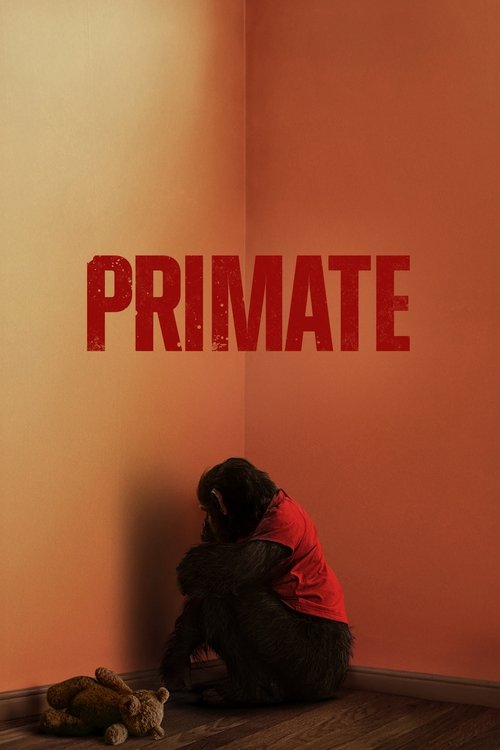
Home from college, Lucy reunites with family including pet chimp Ben. Ben contracts rabies during a pool party and turns aggressive. Lucy and friends barricade in pool, devising ways to survive the vicious chimp.
Get the Weekly Woke Watchlist
New and trending movies scored for woke bias, preachy messaging, and forced political themes — before you waste your evening.
No spam. One useful email per week.
Overall Series Review
Categorical Breakdown
The film is a straightforward creature-feature that critics note lacks subtext and has "no interest in being politically correct." The plot is centered on survival against an animal threat, not on intersectional hierarchy. The most notable character trait is the father being deaf-mute, but he is depicted as a successful author and a 'warm dad role,' an example of genuine inclusion without a narrative lecture on systemic oppression.
The plot is the defense of a luxurious family home against a force of nature (a rabid chimp). The home and family unit are framed as the sanctuary against chaos. The film does not criticize Western civilization or demonize the family's heritage, focusing instead on the practical threat of a wild animal brought into a domestic setting.
The female character, Lucy, is the central protagonist and main survivor, demonstrating capability and competence under duress, which slightly elevates the score from 1. However, this is a staple of the horror genre (the 'Final Girl' trope) and is not presented with overt 'Girl Boss' messaging or the emasculation of men. The father is a positive, protective male figure, and the late mother is a respected linguistics professor, indicating a lack of anti-family or anti-natalist themes.
The film's entire focus is on the immediate, physical threat of the rabid chimp and the desperate survival tactics of the teenagers. There is no evidence in plot details or commentary of any LGBTQ+ centering, deconstruction of the nuclear family, or introduction of gender ideology.
The movie is a lean, gory horror thriller and does not engage in deep philosophical themes. Critics note the virus has no "mythical or symbolic dimension," meaning the narrative is purely a material, survival-based one. There is no hostility toward religion or promotion of moral relativism; the morality is the objective and transcendent need to survive the physical threat.
Get the Weekly Woke Watchlist
New and trending movies scored for woke bias, preachy messaging, and forced political themes — before you waste your evening.
No spam. One useful email per week.