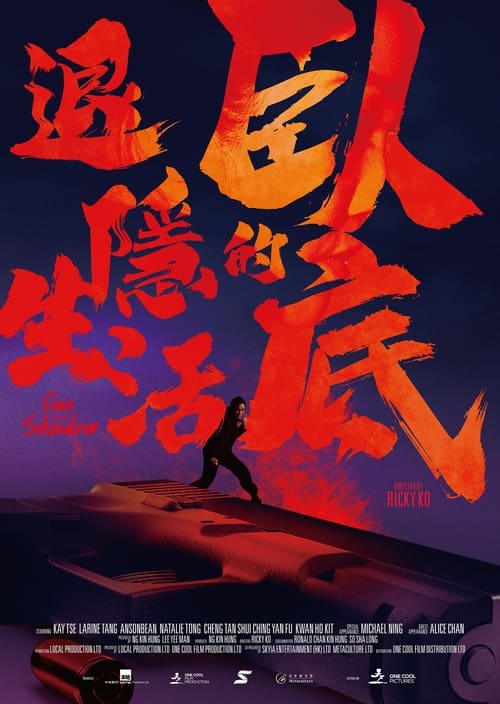
Out of the Shadow
Plot
Look out for the Karate Girl! Injustice has reigned over the quiet town of Shek O in Hong Kong. Chu Po is a young masked vigilante out to help those in need and kick a baddie’s ass. Just as her social-media popularity increases, so do her frequent injuries, as she learns that her beginner’s skills may be no match for those of more experienced fighters. Fate draws her to a local church infested with illicit drug-dealing activities. She soon realizes her connection to that church is more personal than expected as there’s a link to her family’s past. Should she simply stay in the shadows and pray for a miracle, or put her karate chops to good use?
Get the Weekly Woke Watchlist
New and trending movies scored for woke bias, preachy messaging, and forced political themes — before you waste your evening.
No spam. One useful email per week.
Overall Series Review
Categorical Breakdown
The narrative is rooted in Hong Kong cinema tradition and focuses on the local community's struggles against organized crime. Characters are defined by their moral choices and fighting ability; the protagonist's 'beginner's skills' emphasize the need for earned merit and growth over an unearned status. There is no presence of 'whiteness' as a vilified class, nor is there any evidence of intersectional hierarchy driving the plot.
The plot is an explicit defense of the home and community, as the vigilante acts to protect her 'quiet town' from injustice and 'shadowy forces.' The central conflict is between the local hero and the drug-dealing mob, showing a desire to shield the local area. The link to her family's past, and her mother's own history, suggests an affirmation of heritage and familial roots.
The movie centers on a female martial artist and her mother, who is also a former fighter, establishing a strong female-centric action legacy. The protagonist is not a 'Mary Sue' but a beginner who struggles and is frequently injured, which grounds her arc in effort and growth rather than instant perfection. The focus is on her personal development and courage, not on anti-natalism or emasculating male characters as a systematic theme, though the villains are male criminals.
The plot is entirely focused on a vigilante crime-drama, martial arts, and a family secret. There are no identifiable characters, subplots, or thematic discussions related to alternative sexualities, gender ideology, or the deconstruction of the nuclear family. Sexuality is not a plot-driving element.
The movie places a core element of the drug ring inside a local church, where a corrupt priest is found to be smuggling drugs in Bibles. This actively uses the institution of traditional religion as a front for moral evil. However, the inclusion of 'religious symbolism that will guide the journey' suggests the critique is leveled at the corrupt human element within the church rather than a total embrace of moral relativism or a complete vilification of faith itself.
Get the Weekly Woke Watchlist
New and trending movies scored for woke bias, preachy messaging, and forced political themes — before you waste your evening.
No spam. One useful email per week.