Prisoner of War
Plot
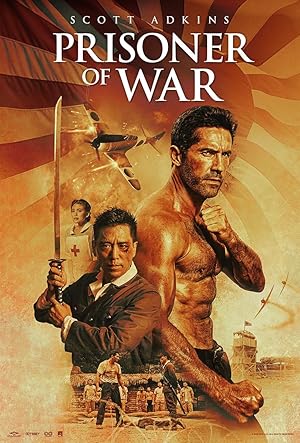
A British RAF Wing Commander during World War II is captured and forced to fight in a Japanese internment camp.
Get the Weekly Woke Watchlist
New and trending movies scored for woke bias, preachy messaging, and forced political themes — before you waste your evening.
No spam. One useful email per week.
Overall Series Review
Categorical Breakdown
The narrative is centered on a classic 'man of action' protagonist, a white British Wing Commander, who earns the grudging respect of his captor based purely on his martial arts ability and will to survive. Characters are judged strictly by merit—their fighting skill and their ability to aid the escape—which aligns perfectly with the principle of universal meritocracy. The conflict is a traditional good-versus-evil WWII scenario, focusing on survival rather than vilification of whiteness or a lecture on systemic oppression.
The story is rooted in a historical war setting where the British/American forces, despite being captured, represent the side of a just cause and the fight for freedom. The hero's actions—risking his life to protect and free his compatriots, and his post-war quest for retribution—reflect a respect for his nation and the sacrifices of the conflict. The home culture is viewed with gratitude, serving as a shield against the barbarity of the Japanese POW camp, and there is no evidence of deconstruction of Western heritage.
The core of the movie is a male-centric, hyper-masculine survival and action story. The main character is a formidable, protective male figure, and the supporting cast of prisoners is entirely male. The few female characters, such as the Filipino nurse, occupy shallow, strictly supporting roles, and the story contains no themes of emasculation or 'Girl Boss' tropes. The focus is on traditional masculine virtues like strength, leadership, and protection.
The movie is a focused action epic about a WWII POW camp and escape. There is no evidence in the plot or character descriptions to suggest the presence of alternative sexualities, gender ideology, or the deconstruction of the nuclear family. The narrative adheres to a normative structure by completely excluding this ideology.
The plot is a brutal action film concentrating on physical survival and a prison break. The material does not contain any critique of religion, anti-Christian sentiment, or a focus on moral relativism. The central theme of a hero fighting a 'sadistic' villain, and seeking 'retribution' post-war, implies a belief in objective good and evil, which is the antithesis of moral relativism.
Get the Weekly Woke Watchlist
New and trending movies scored for woke bias, preachy messaging, and forced political themes — before you waste your evening.
No spam. One useful email per week.