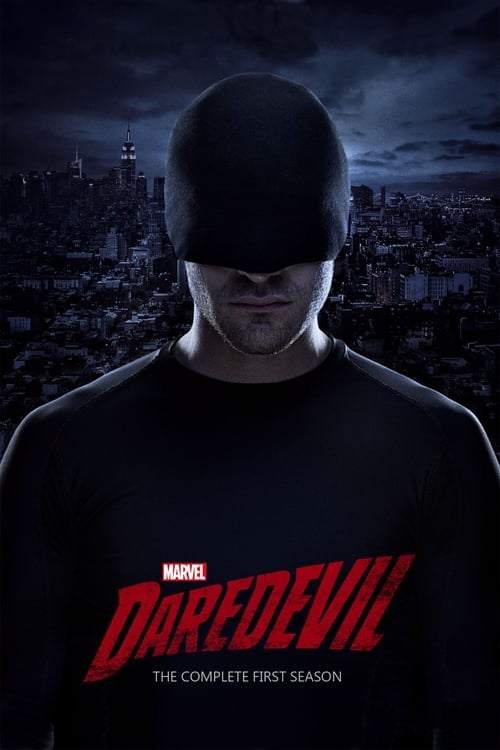
Marvel's Daredevil
Season 1 Analysis
Season Overview
Blinded as a young boy, Matt Murdock fights injustice by day as a lawyer and by night as the superhero Daredevil in Hell's Kitchen, New York City.
Season Review
Categorical Breakdown
Characters are judged by their integrity and actions, not their immutable characteristics. The central conflict is one of class and morality: the working-class hero and his diverse team of friends and allies fight a wealthy, corporatist crime cabal. The villainous cabal itself is diverse, including Russians, the Yakuza, and a Chinese mob boss, showing competence is not exclusive to one group. Ben Urich, a Black reporter, is a major heroic figure working to expose corruption through traditional journalism.
The hero, Matt Murdock, is driven by a desire to save his home neighborhood of Hell's Kitchen from the systemic corruption that has taken root. The show's critique is aimed specifically at the rampant corporate greed and 'gentrification' plan of the villain, Wilson Fisk, who explicitly wants to tear down and erase the old city to build his own vision. The narrative champions the history and people of the existing community against its wealthy, destructive enemy.
Female characters like Karen Page and Claire Temple are integral and highly competent professionals (investigator/secretary and nurse, respectively) whose actions frequently save the male lead and drive the main plot. Karen Page is not a 'Mary Sue'; she is traumatized and deeply flawed, and her competence is hard-won. Men are not uniformly incompetent, but are depicted in distinct roles as a moral hero (Matt), a loyal best friend (Foggy), and a terrifying, emotionally complex villain (Fisk). There is no anti-natalist or anti-family messaging.
The narrative contains no centering of alternative sexualities or gender ideology. All main character relationships are traditionally heterosexual, including the central, obsessive love story between the main villain, Wilson Fisk, and his partner, Vanessa. Sexual ideology is not a component of the season's storytelling or thematic focus.
Matt Murdock's Catholic faith is not vilified but is a central, defining, and protective force that informs his moral code and his refusal to kill. The show presents a clear objective moral line (thou shalt not kill) that the hero struggles to uphold, which is directly tied to his religious practice. His priest, Father Lantom, is a positive mentor figure who offers moral counsel and perspective. The show affirms a transcendent moral law over subjective morality.