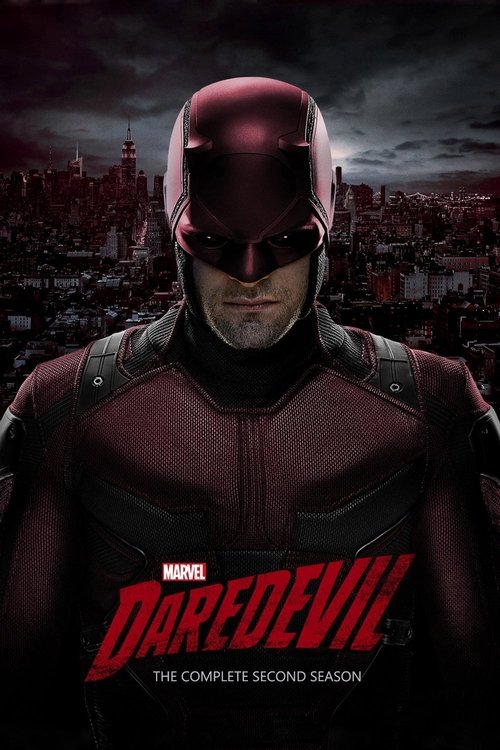
Marvel's Daredevil
Season 2 Analysis
Season Overview
Dark forces are tearing Hell's Kitchen apart once again, but this time Daredevil may have to choose between the city and his friends.
Season Review
Categorical Breakdown
The main ideological conflict centers on the content of a man's character—Matt's no-kill rule versus Frank Castle's retributive justice. The narrative does not lecture on privilege or systemic oppression based on immutable characteristics. Characters like Claire Temple and Elektra Natchios are women of color in central roles, with the latter's casting being a non-traditional interpretation, but their ethnicity is not the source of their character conflict or primary motivation in the story.
The central mission is Matt Murdock's dedication to saving and redeeming his home, Hell's Kitchen. The conflict is against local criminal organizations and the ancient, foreign cult of The Hand. The show portrays a love for his city and the institutions of the American justice system, even when those systems are imperfect, positioning them as a shield against chaos.
The female characters, Karen Page and Elektra Natchios, are highly competent and take on major roles. Karen transitions from an assistant to an independent investigative journalist focused on her career, demonstrating the 'Girl Boss' archetype of relentless professional ambition. Elektra is an elite fighter who is a more active, lethal protagonist than Matt in their shared storyline. However, the male lead, Matt Murdock, remains the central, powerful, and competent figure, not a bumbling or emasculated counterpart.
The season contains no overt themes related to alternative sexual identity, deconstruction of the nuclear family, or gender ideology. The core romantic drama is a traditional love triangle between Matt, Karen, and Elektra, maintaining a normative structure.
Matt Murdock's Catholic faith is a fundamental and respected element of his character, providing the moral framework for his vigilante code and generating the philosophical conflict with the Punisher. The show's morality is transcendent, rooted in Catholic theology (justice vs. mercy), and a priest character, Father Lantom, acts as a continuous positive moral anchor.