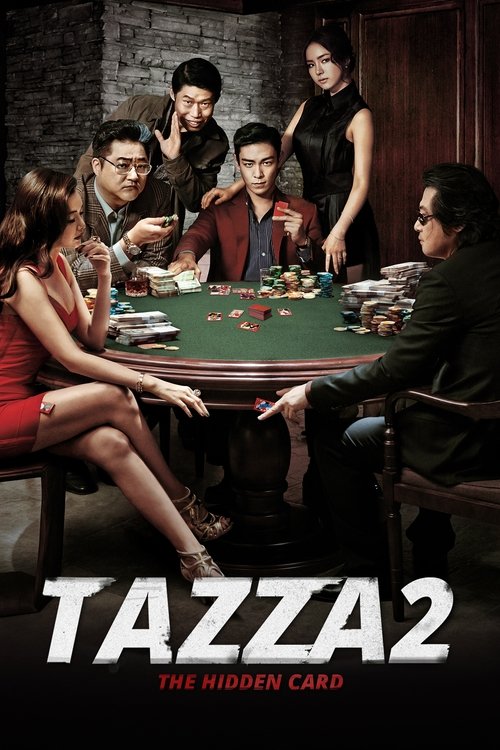
Tazza: The Hidden Card
Plot
Dae-gil has been skilled with his hands and has shown a strong desire for winning ever since he was a child. He will succeed his uncle and jump into the world of Tazza, risking his life in competition.
Get the Weekly Woke Watchlist
New and trending movies scored for woke bias, preachy messaging, and forced political themes — before you waste your evening.
No spam. One useful email per week.
Overall Series Review
Categorical Breakdown
The film operates within a universal meritocracy of the criminal underworld; characters are judged purely on their skill as cardsharps and their ability to double-cross, not on any immutable characteristics. The cast is authentically Korean for the setting, and the narrative has no interest in lecturing on racial or intersectional hierarchy.
The film depicts a morally corrupt, savage environment—the illegal gambling underworld—which involves life-altering violence and exploitation. However, this corruption is specific to the crime genre and not a general demonization of Korean culture, history, or society. The film incorporates the traditional Korean card game Hwatu and a distinctly Korean criminal aesthetic without civilizational self-hatred.
The core plot is driven by the male protagonist's quest for revenge and to rescue his love interest, who is sold into prostitution to cover a debt. This frames the primary female character as a victim and object of rescue, which is the opposite of the 'Girl Boss' trope. Another significant female character is a player in the game, demonstrating agency, but the overall gender dynamic is centered on the male lead and his actions.
The story is a classical heterosexual revenge/romance narrative. There are no elements of alternative sexual ideology, centering of non-normative sexualities, or deconstruction of the family unit. Sexuality is either a private matter or used for manipulative purposes within the corrupt underworld context, without political commentary.
The movie is focused on material stakes: money, skill, revenge, and survival. The moral universe is one of self-interest and betrayal, which is inherently morally relative (subjective power dynamics). However, there is no active vilification or negative portrayal of organized religion; faith is simply irrelevant to the criminal world depicted.
Get the Weekly Woke Watchlist
New and trending movies scored for woke bias, preachy messaging, and forced political themes — before you waste your evening.
No spam. One useful email per week.