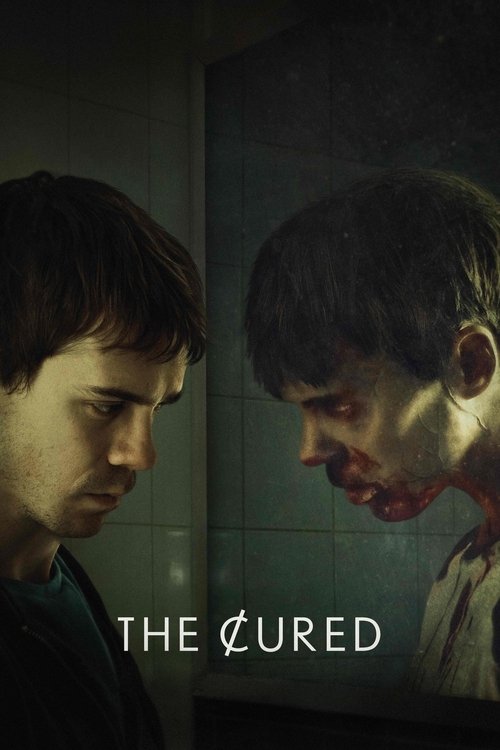
The Cured
Plot
What happens when the undead return to life? In a world ravaged for years by a virus that turns the infected into zombie-like cannibals, a cure is at last found and the wrenching process of reintegrating the survivors back into society begins.
Get the Weekly Woke Watchlist
New and trending movies scored for woke bias, preachy messaging, and forced political themes — before you waste your evening.
No spam. One useful email per week.
Overall Series Review
Categorical Breakdown
The entire narrative functions as a sustained allegory for systemic oppression and marginalization. The 'Cured' are treated as a sub-human, oppressed minority, segregated, denied rights, and subjected to violence by the general populace and government forces. The plot exists to dramatize the political and social issues of prejudice and the demand for civil liberties by an 'othered' group.
The film heavily critiques the established social and governmental institutions of the Western-identified country, Ireland. The society is depicted as fundamentally xenophobic, prejudiced, and corrupt, willing to plan the extermination of 25% of the resistant population and treating the successfully cured like criminals. The main conflict shows the collapse of civil order due to the xenophobia of the 'home culture,' directly framing the established institutions as fundamentally flawed and contributing to the chaos.
The primary female character, Abbie, is a journalist and single mother, providing a moral center and protection for her son. Her role is functional and strong, showing compassion toward her cured brother-in-law and actively defending her family. The film does not feature a 'Mary Sue' character or explicitly push anti-natalist messages; motherhood and family protection are presented as a source of strength. The main political and physical conflict, however, is driven by the internal and external struggles of the male characters.
The narrative does not center alternative sexualities, deconstruct the nuclear family structure, or focus on gender ideology. The core conflict is entirely focused on the socio-political status of the 'Cured' and the traditional family unit of a mother and her son is the main source of the male protagonist's moral grounding.
There is no explicit or implied hostility toward religion. The film's primary moral and philosophical questions revolve around individual guilt, collective responsibility, and political power dynamics following a societal trauma. Faith or religious institutions are absent from the central conflict.
Get the Weekly Woke Watchlist
New and trending movies scored for woke bias, preachy messaging, and forced political themes — before you waste your evening.
No spam. One useful email per week.