Muromachi Burai
Plot
N/A
Get the Weekly Woke Watchlist
New and trending movies scored for woke bias, preachy messaging, and forced political themes — before you waste your evening.
No spam. One useful email per week.
Overall Series Review
Categorical Breakdown
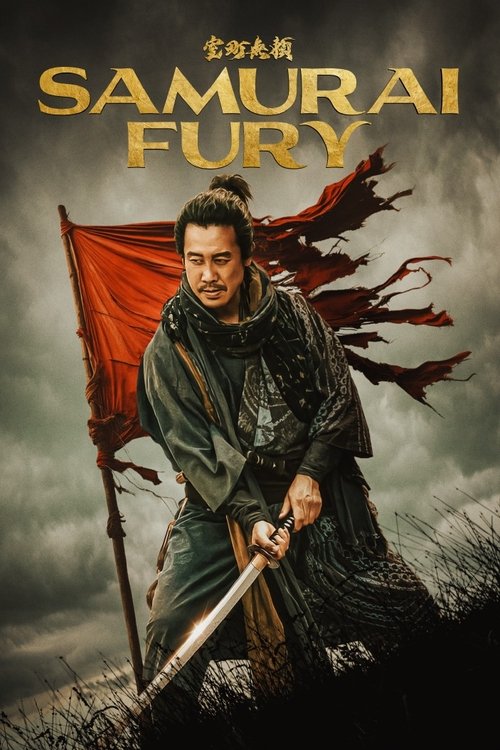
The narrative is centered on a class conflict between the Japanese ruling elite (shogunate) and the Japanese commoners (ronin, farmers, peasants) rather than immutable characteristics or race. The cast is entirely ethnically authentic to the setting of 15th-century Japan. Character judgment is based on merit, as the hero Hyoe trains the young, unskilled Saizo to become a formidable warrior. The conflict is about political and economic oppression, not an intersectional hierarchy lecture.
The film critiques the Japanese shogunate and nobility for their specific corruption, decadence, and ineptitude during a famine. This is a targeted political and institutional criticism of a failed government at a specific historical moment, not a demonization of the nation's fundamental heritage or home culture. The heroes themselves embody the principled figure of the ronin, suggesting a fight for a better order within their society rather than civilizational self-hatred.
The core plot is a male-led rebellion featuring a strong male mentor/pupil dynamic. The female roles, such as the courtesan Hooji, are secondary to the central action and conflict between the male lead and the antagonist. The presence of a courtesan character does not constitute a 'Girl Boss' trope, and reviews note her role is minimal, preventing any dominant female-centric narrative or emasculation of male characters.
The plot summaries and cultural commentary provide no evidence of centering alternative sexualities, deconstructing the nuclear family, or addressing contemporary gender theory. The setting and narrative focus on a traditional historical rebellion and action-drama. The structure is normative, focusing on male-male and male-female relationships typical of the period genre.
The conflict is political and economic, dealing with famine, debt, and corrupt governance. There is no indication of hostility toward religion; the setting is 15th-century Japan, making a critique of Christianity irrelevant to the story. The lead character, Hasuda Hyoe, is noted for his unshakable principles, aligning with a belief in objective moral truth, even if not explicitly linked to a deity.
Get the Weekly Woke Watchlist
New and trending movies scored for woke bias, preachy messaging, and forced political themes — before you waste your evening.
No spam. One useful email per week.