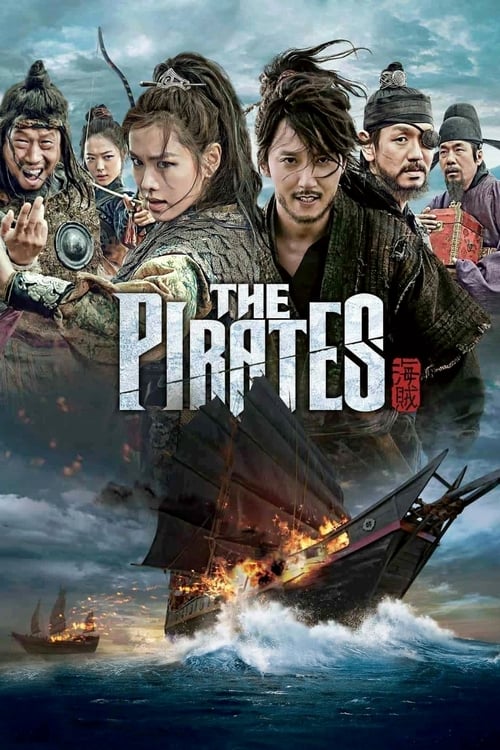
The Pirates
Plot
At the cusp of the founding of Joseon Dynasty, an envoy from China is delivering Emperor’s Ming’s Royal Seal. But nature in the form of a giant whale intervenes and swallows the royal seal. When a generous reward is offered to whomever can retrieve the royal seal from the belly of the whale, the race is on. A group of mountain bandits led by Jang Sa Jung and a group of pirates led by Yeo Wol go after the lost treasure, but who will get to to it first?
Get the Weekly Woke Watchlist
New and trending movies scored for woke bias, preachy messaging, and forced political themes — before you waste your evening.
No spam. One useful email per week.
Overall Series Review
Categorical Breakdown
The movie is set in historical Korea with an all-Korean cast, eliminating the framework for the vilification of 'whiteness' or forced diversity. Characters are judged by their competence and moral alignment as either honorable outlaws or corrupt officials, embodying universal meritocracy.
The narrative criticizes the corruption and political maneuvering of the emerging Joseon Dynasty and its status as a vassal state to China, but this critique is specific to political elites and not a fundamental deconstruction or demonization of the nation, culture, or ancestors. The heroes represent a more honorable internal resistance to corruption, affirming a kind of loyalty to the people and a moral code.
The female lead, Yeo-wol, is a highly effective, morally upright pirate captain who leads an all-male crew after earning her command through merit and moral action. She is a clear 'Girl Boss' archetype, consistently outperforming many of the men around her, including the bumbling male lead and the male villains. The narrative does not contain anti-natalist messaging.
The story centers on a straightforward action-adventure plot with a traditional romantic/flirtatious dynamic between the male and female leads. It contains no presence of alternative sexual ideology, deconstruction of the nuclear family, or lecturing on gender theory.
The core conflict is political and mercenary, revolving around a quest for a lost royal seal and the associated bounty. Traditional religion, particularly Christianity, is absent as a theme, a source of evil, or an object of criticism. The morality is based on individual codes of honor versus greed and corruption, acknowledging a higher moral law for the protagonists.
Get the Weekly Woke Watchlist
New and trending movies scored for woke bias, preachy messaging, and forced political themes — before you waste your evening.
No spam. One useful email per week.