iZombie
Season 2 Analysis
Season Overview
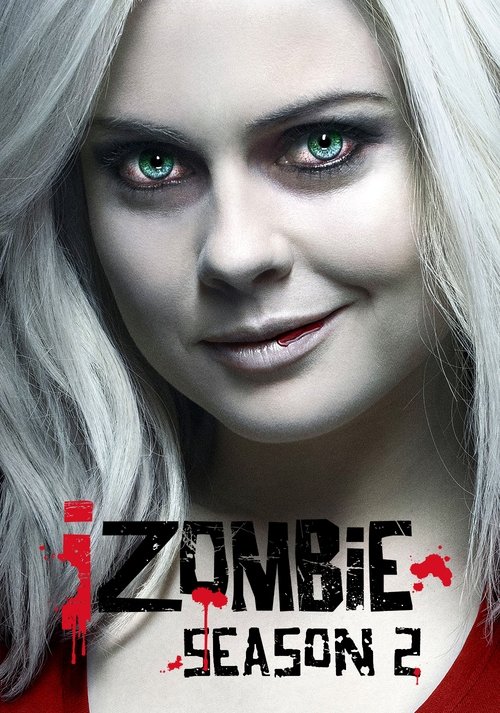
While brains-eating Liv helps solve the murders of a stripper and other victims, Major struggles with his own changes and Peyton reenters Liv's life.
Season Review
Categorical Breakdown
The season's main antagonist, the corporate CEO Vaughn Du Clark, is a white male who blackmails the other major white male character, Major, into being the 'Chaos Killer.' This depicts 'whiteness' as the source of systemic, murderous corporate evil. Liv, a white woman, briefly embodies the personality of a 'racist old man' after eating his brain, directly associating the character type with the term 'racist.' The core cast is racially diverse and competent, including Ravi and Clive, while the chief villains are the Max Rager corporation and Blaine, a wealthy white male entrepreneur.
The narrative's focus is on critiquing modern corporate power, with the villain being the CEO of a modern energy drink company. The season does not overtly demonize Western culture or ancestors. Liv's estrangement from her family, a key character-driven tragedy, is a consequence of her zombie identity, not an ideological critique of the nuclear family institution itself. The setting is a contemporary, flawed American city, but the overall tone is not one of deep-seated civilizational self-hatred.
The female protagonist, Liv, is the functional hero and the moral center of the show, acting as the primary detective and source of justice. Her friend Peyton returns as a highly competent and motivated Assistant District Attorney, a 'Girl Boss' figure focused on professional success. Major, the male lead, is blackmailed into a profoundly immoral, weak, and compromising position as a killer, which significantly emasculates his heroic potential, contrasting him sharply with the morally clear and heroic Liv.
The core premise of zombism is a powerful and explicit allegory for a marginalized, alternative identity. Zombies describe their status using the language of sexual identity, specifically phrases like being 'in the closet' or 'out of the closet' to their families and friends. The narrative extensively explores the societal rejection and oppression that this hidden identity group faces, including themes of homelessness and isolation, which mirrors the experience of alternative sexualities. The plot heavily centers the negotiation of this alternative identity with the normative structure.
The show is focused on a scientific mystery (the zombie virus, the cure) and a criminal procedural framework. The concept of morality is largely objective—murder is wrong, justice must be served—which is in line with a transcendent moral law. Religion is not a central theme, and there is no narrative focus on vilifying Christianity or other traditional faiths. Amoral characters like Blaine act out of greed and self-interest, but this is presented as criminality, not as a philosophical lecture on moral relativism.