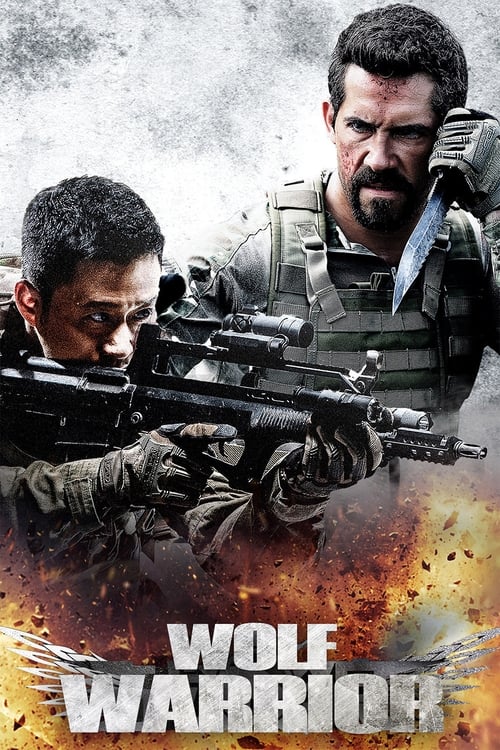
Wolf Warrior
Plot
A Chinese special force soldier with extraordinary marksmanship is confronted by a group of deadly foreign mercenaries who are hired to assassinate him by a vicious drug lord.
Get the Weekly Woke Watchlist
New and trending movies scored for woke bias, preachy messaging, and forced political themes — before you waste your evening.
No spam. One useful email per week.
Overall Series Review
Categorical Breakdown
The narrative relies heavily on a clear 'us vs. them' dynamic, where the hero is defined by his Chinese national identity and loyalty to the PLA, while the principal antagonist, Tomcat, is a ruthless, high-skilled foreign (white) mercenary who has violated China's sovereignty. The film embraces a nationalistic form of identity politics, vilifying the foreign 'Other' and framing the conflict in terms of protecting the Chinese nation from outside forces, which acts as a geopolitical inversion of typical Western-centric 'woke' tropes.
The movie is the antithesis of civilizational self-hatred, serving as an explicit and intense celebration of the Chinese military, the nation's borders, and national honor. Military leaders deliver rousing speeches about the sanctity of China's borders, and the action sequences function to demonstrate the immense power and capability of the home nation's armed forces.
The most prominent female character, Colonel Long Xiaoyun, is the competent, high-ranking commander of the elite Wolf Warriors unit, which demonstrates women's capacity for high-level military leadership. The male protagonist, however, displays chauvinistic behavior and the film focuses on his hyper-masculine, 'lone wolf' approach, valuing traditional, protective masculinity. The plot is not centered on anti-natalism or the emasculation of men.
The narrative is a straightforward military action film focused on national security and a manhunt, containing no elements of sexual ideology. There is no presence of centering alternative sexualities, deconstructing the nuclear family, or lecturing on gender theory.
The movie is focused entirely on a state/military/nationalist morality, with no reference to, or conflict with, traditional religion, specifically Christianity. Moral law is presented as the duty to the state and the protection of the nation, operating outside of a spiritual vacuum or anti-theistic framework.
Get the Weekly Woke Watchlist
New and trending movies scored for woke bias, preachy messaging, and forced political themes — before you waste your evening.
No spam. One useful email per week.