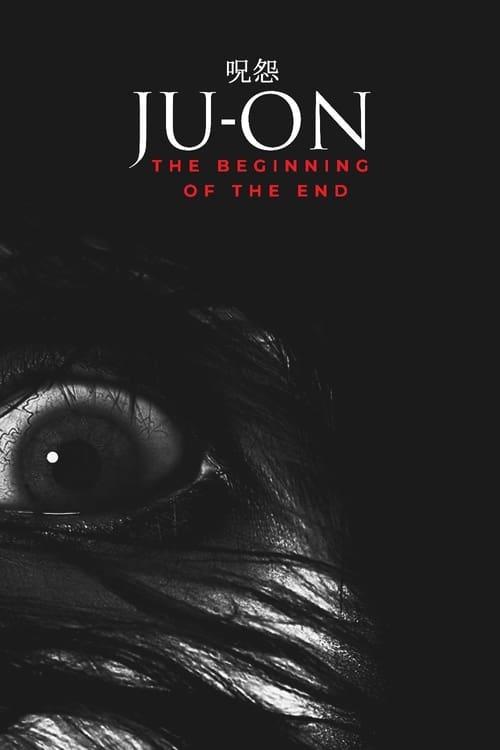
Ju-on: The Beginning of the End
Plot
A school teacher visits the home of a boy who's been absent from school for a long period of time, unaware of the horrific tragedy which occurred in the boy's household many years ago.
Get the Weekly Woke Watchlist
New and trending movies scored for woke bias, preachy messaging, and forced political themes — before you waste your evening.
No spam. One useful email per week.
Overall Series Review
Categorical Breakdown
The movie is a Japanese production set in Japan, featuring an entirely Japanese cast. There is no forced diversity, race-swapping, or lecturing on intersectional privilege. Character conflicts are entirely supernatural and personal, not based on immutable characteristics. Characters are judged by their misfortune in crossing the curse’s path, reflecting a meritocracy of universal victimhood.
The central conflict is a curse localized to a single, specific house and the trauma within its walls. The narrative critiques a heinous act of domestic violence, not the broader structure of Japanese society, culture, or ancestral heritage. The family institution is shown to be broken by a supernatural evil, but this does not frame the home culture as fundamentally corrupt or racist.
The most powerful figures are the female ghost, Kayako, and the primary protagonist, Yui, a determined schoolteacher. The male characters are mostly ineffective, absent, or serve as disposable victims of the curse, though the original violence was inflicted by a man. Kayako’s ghostly power is directly tied to an obsession with maternity and trauma, giving the source of the curse a deeply anti-natalist flavor, twisting motherhood into a source of infinite, murderous rage. This thematic focus elevates the score.
The story centers exclusively on traditional male-female pairings within the context of a horrific nuclear family tragedy. Sexual identity is not a factor in the plot, and no characters are defined by alternative sexualities. The focus remains on the horror of the curse without introducing gender ideology or political messaging about the nuclear family.
The conflict is purely metaphysical, based on the non-denominational Japanese folklore concept of a vengeful, spiritual grudge (Ju-On). This firmly establishes an objective spiritual reality where moral transgressions have eternal, terrifying consequences. The film contains no commentary or hostility toward Christianity or any other religion, nor does it promote moral relativism.
Get the Weekly Woke Watchlist
New and trending movies scored for woke bias, preachy messaging, and forced political themes — before you waste your evening.
No spam. One useful email per week.