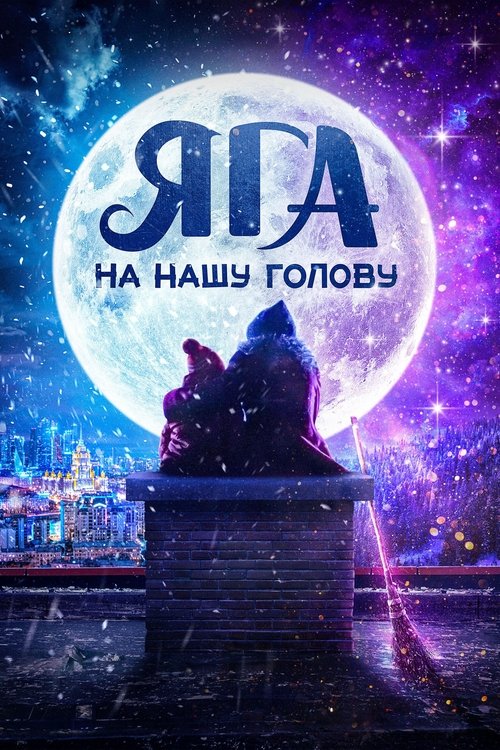
My Nanny is a Witch
Plot
Father Frost decides to send Yaga to be re-educated by Petya, a boy who has his own problems - he wants to reconcile his parents before the New Year. Petya's parents spend more time working than they do with their family, and Petya wants to fix this situation before the New Year.
Get the Weekly Woke Watchlist
New and trending movies scored for woke bias, preachy messaging, and forced political themes — before you waste your evening.
No spam. One useful email per week.
Overall Series Review
Categorical Breakdown
The story is entirely driven by the universal desire of a child to reconcile his parents. Characters are judged solely on their merit, specifically the parents' moral failure to prioritize family, and Petya's moral success in attempting to fix it. The casting relies on traditional Slavic folklore figures, with no evidence of race-swapping or focus on immutable characteristics.
The plot actively defends the Western/Slavic concept of 'home' and the nuclear family as a fundamental good. Petya’s mission is a clear act of gratitude and defense of the family unit before the New Year holiday. The narrative implicitly critiques the modern pressure of careerism that is antithetical to core cultural values, not the civilization itself.
The core problem is the equal focus of both the mother and the father on their careers, which leads to neglect of the family. The narrative explicitly frames careerism as a problem when it supersedes family duty, critiquing the 'career is the only fulfillment' message for both sexes. The boy's goal is to restore a complementary relationship (reconciliation), which is protective of the family structure.
The narrative structure is strictly normative. The family unit being rescued is the traditional male-female pairing with their son. The entire story is an effort to save the nuclear family, which is presented as the standard and desired outcome. Sexual ideology is entirely absent from the plot.
The story uses a transcendent moral framework where family harmony is an objective good. The magic, driven by Father Frost, supports a moral goal. The film features figures from Slavic mythology, not an attack on Christianity, and portrays an objective moral law (the value of family) being upheld.
Get the Weekly Woke Watchlist
New and trending movies scored for woke bias, preachy messaging, and forced political themes — before you waste your evening.
No spam. One useful email per week.