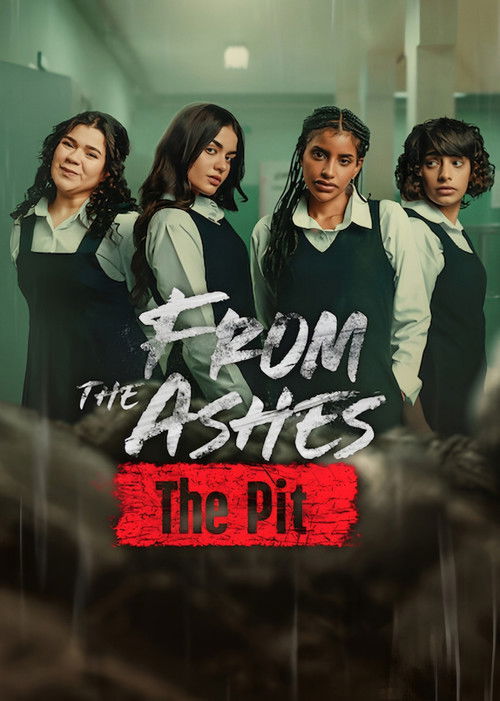
From the Ashes: The Pit
Plot
Trapped in an underground pit during a storm, three students from an all-girls school must confront their personal conflicts as they fight to survive.
Get the Weekly Woke Watchlist
New and trending movies scored for woke bias, preachy messaging, and forced political themes — before you waste your evening.
No spam. One useful email per week.
Overall Series Review
Categorical Breakdown
The story takes place in a Saudi all-girls school with a wholly Middle Eastern cast, making the categories of 'whiteness vilification' and 'race-swapping' irrelevant. The central conflict revolves around individual character flaws like selfishness and a mean-girl attitude, which the narrative forces the character to overcome through hardship and self-reflection. Character development is based on moral transformation, not immutable characteristics.
The culture is not depicted as fundamentally corrupt or racist, but rather one aspect of it—a construction business run by a girl’s father—is blamed for the structural accident. The ending shows the main characters reaffirming their bonds with their respective families and looking forward to a positive future, including going to university. The crisis inspires gratitude for loved ones, not self-hatred for one's home or heritage.
The core cast of survivors is all-female, and the plot details their emotional and psychological strength under pressure, showing capability and self-reliance. However, the lead is not a perfect, instant 'Mary Sue'; the character Maria begins as an 'entitled mean girl' but is forced to develop empathy and selflessness. A subplot discusses a character, Mona, desiring to pursue higher studies over a proposed marriage, presenting a mild anti-natalist/career-fulfillment theme, but this is presented as a personal conflict rather than a broad, toxic 'motherhood is a prison' message.
The film contains no elements of sexual or gender ideology. The themes focus entirely on adolescent friendships, familial bonds (including parental divorce and re-marriage), personal guilt, and survival. The traditional structure of family and relationships is the clear, normative backdrop of the Saudi-based story.
Characters actively self-reflect and question whether their predicament is a form of divine punishment for past mistakes, indicating a belief in a Transcendent Moral Law and a higher power. Traditional religion is a source of moral self-examination and not framed as the root of evil or oppression. Moral relativism is absent, as the characters’ entire journey is about moving from guilt-ridden and selfish behavior toward honesty, forgiveness, and empathy.
Get the Weekly Woke Watchlist
New and trending movies scored for woke bias, preachy messaging, and forced political themes — before you waste your evening.
No spam. One useful email per week.