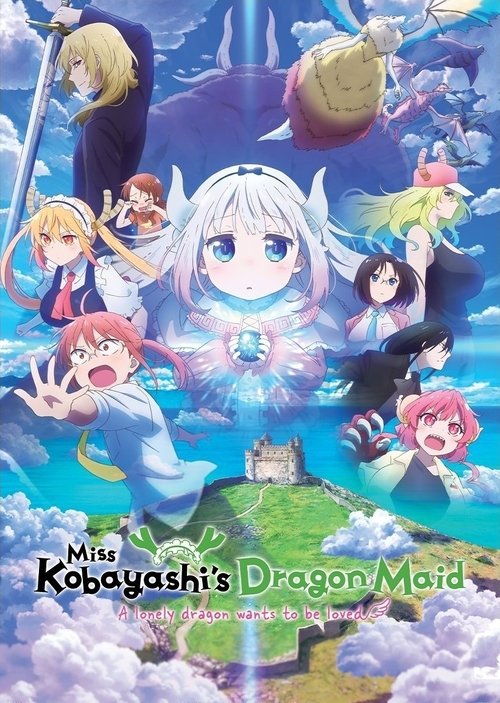
Kobayashi-san Chi no Maid Dragon: Samishigariya no Ryu
Plot
N/A
Get the Weekly Woke Watchlist
New and trending movies scored for woke bias, preachy messaging, and forced political themes — before you waste your evening.
No spam. One useful email per week.
Overall Series Review
Categorical Breakdown
The central conflict is exclusively based on species ideology (Chaos dragons vs. Harmony dragons) and personal attachment, not on human-world issues of race, whiteness, or intersectional hierarchy. Character merit is measured by demonstrated loyalty and capacity for love, which is a universal meritocracy.
The plot explicitly frames the human world in Japan and the domestic home life as superior and more nurturing than the chaotic, ancestral Dragon World. The narrative validates the safety and emotional warmth of the chosen 'home' culture against the chaos of the dragon heritage.
The home and moral center of the story is the female-led family unit of Miss Kobayashi, a competent working professional, and Tohru, the devoted homemaker. The primary male figure, Kanna's dragon father, is the aggressive, disruptive antagonist, which frames men as the source of chaos, though the female figures occupy distinct and complementary domestic roles.
The core of the entire narrative is the celebrated, normalized, and functional de-facto same-sex family unit consisting of Kobayashi and Tohru raising Kanna. This structure is upheld as the ideal worth fighting for, replacing the traditional male-female pairing as the standard for a loving family.
The story is a-theistic, dealing with supernatural dragon factions (Chaos/Harmony) rather than human religion. The narrative presents a clear objective moral truth: the emotional bonds of family, love, and peace are the highest goods that can heal the rift, opposing the moral relativism of war and primal chaos.
Get the Weekly Woke Watchlist
New and trending movies scored for woke bias, preachy messaging, and forced political themes — before you waste your evening.
No spam. One useful email per week.