Gory: A Horror Tale
Plot
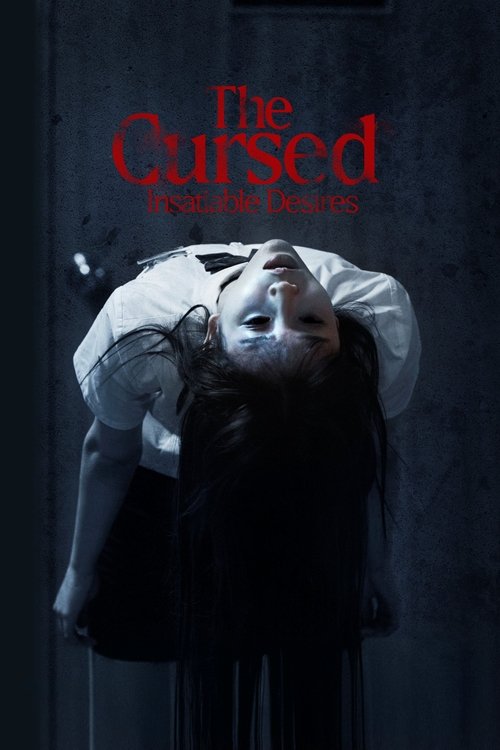
Occult horror that tells a mysterious story born from human desires that are scarier than ghosts.
Get the Weekly Woke Watchlist
New and trending movies scored for woke bias, preachy messaging, and forced political themes — before you waste your evening.
No spam. One useful email per week.
Overall Series Review
Categorical Breakdown
The movie is a South Korean production with an all-Korean cast and a story deeply embedded in Korean social pressures, folklore, and urban legends. The narrative features no 'vilification of whiteness' or 'race-swapping' as it is not a Western property. Characters are defined by their personal ambition and moral corruption, not by an intersectional hierarchy of immutable characteristics.
The plot uses local elements like a 'mystical guardian tree' and a traditional 'ghost market' as sources of horror, suggesting a critique of human behavior within a Korean context. This does not deconstruct or express hostility toward Western civilization, but the portrayal of a local, spiritual tradition (the guardian tree) as a target of harm prevents a perfect 1/10 score, indicating a mild, localized deconstruction of heritage.
Female characters, including a mother and an office worker, are central figures, but they are driven by flawed, destructive ambitions like obsession with beauty or career success for their children. Their depiction as morally compromised individuals driven by vice judges them on character and moral choice, not portraying them as flawless 'Girl Boss' archetypes. The mother's ambition is depicted negatively, which counteracts an anti-natalist message, but a strong female-led cast of flawed characters is present.
The plot description focuses entirely on themes of ambition, supernatural corruption, and personal obsession. There is no evidence of the narrative centering alternative sexualities, deconstructing the nuclear family, or lecturing on gender ideology. The structure remains normative by default in the context provided.
The horror is rooted in a supernatural 'ghost market' and occult deals, suggesting an acknowledgement of a transcendent spiritual realm and moral consequences ('The Cursed: Insatiable Desires'). The film engages with East Asian spiritual concepts and folklore rather than expressing hostility toward or vilifying Western traditional religion, specifically Christianity. Morality is objective in the sense that insatiable desire leads to punishment through the supernatural system.
Get the Weekly Woke Watchlist
New and trending movies scored for woke bias, preachy messaging, and forced political themes — before you waste your evening.
No spam. One useful email per week.